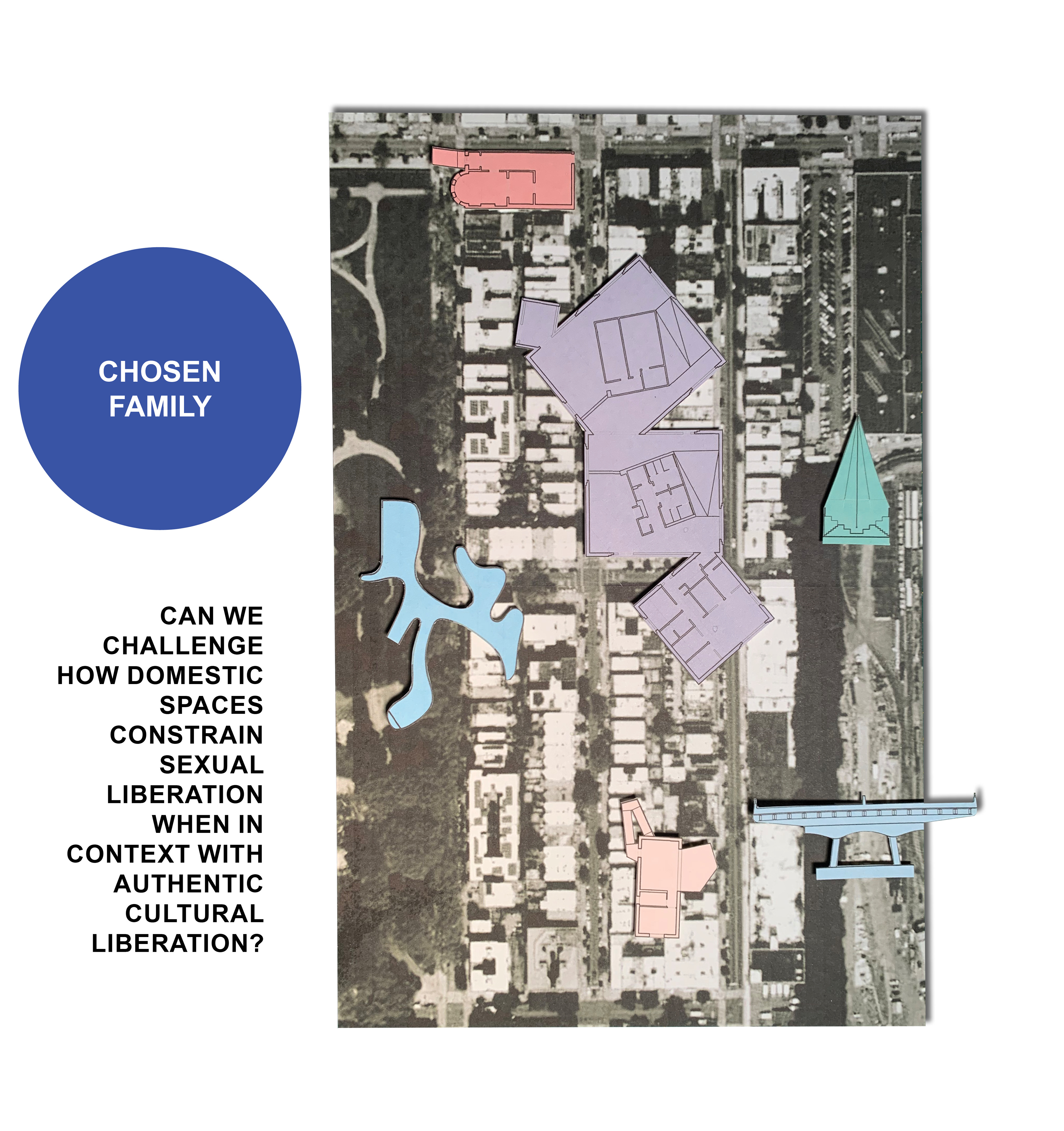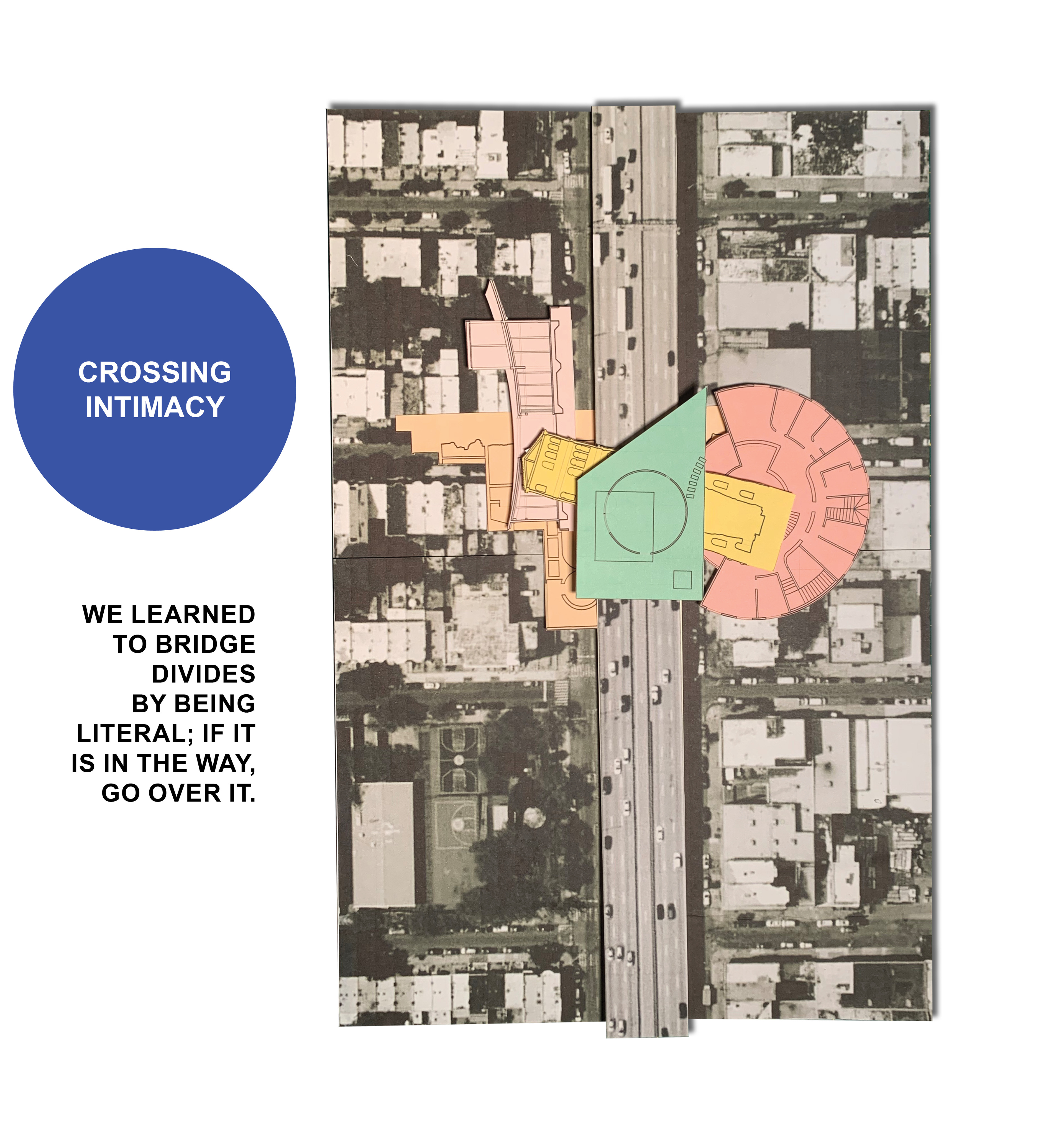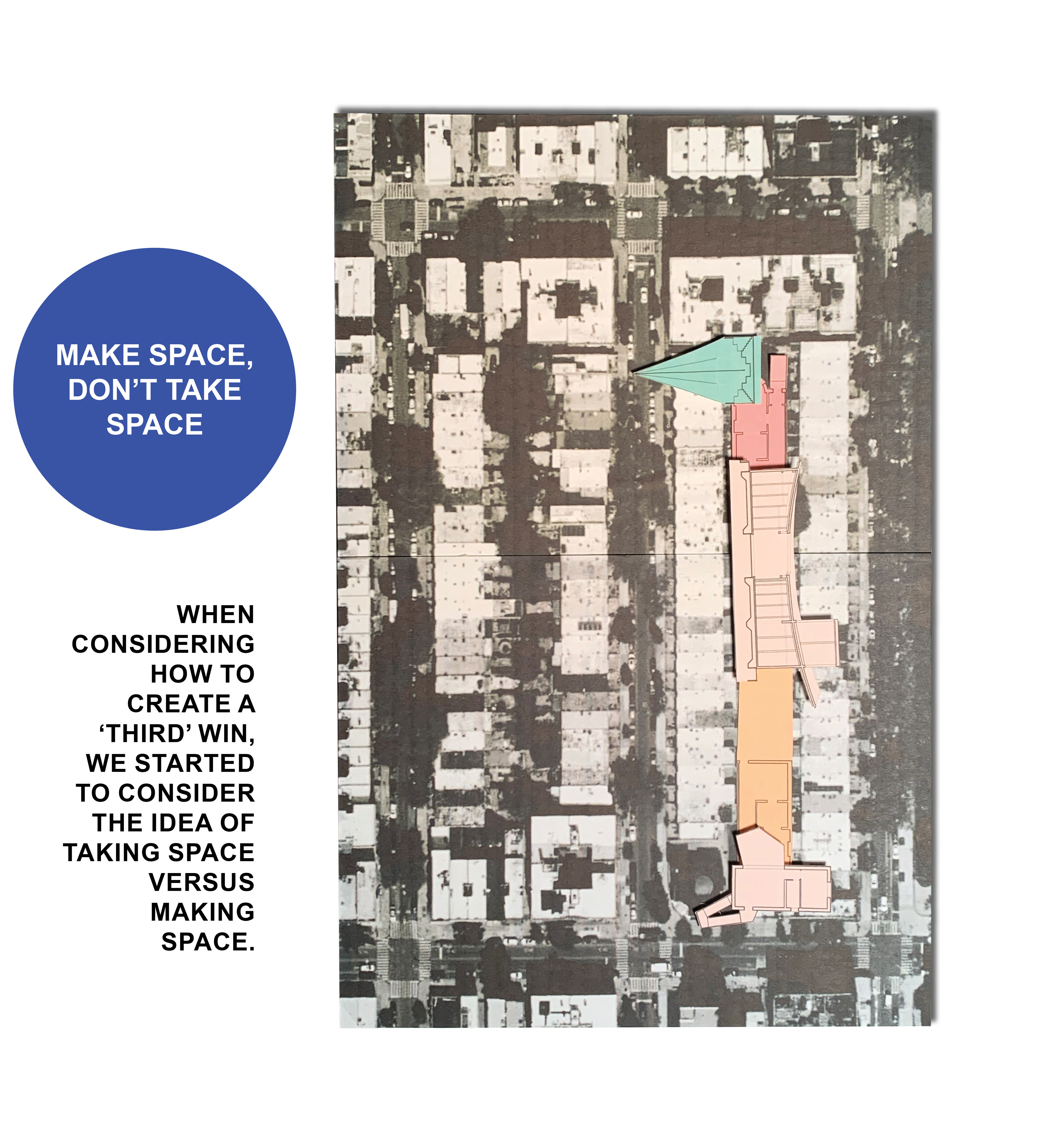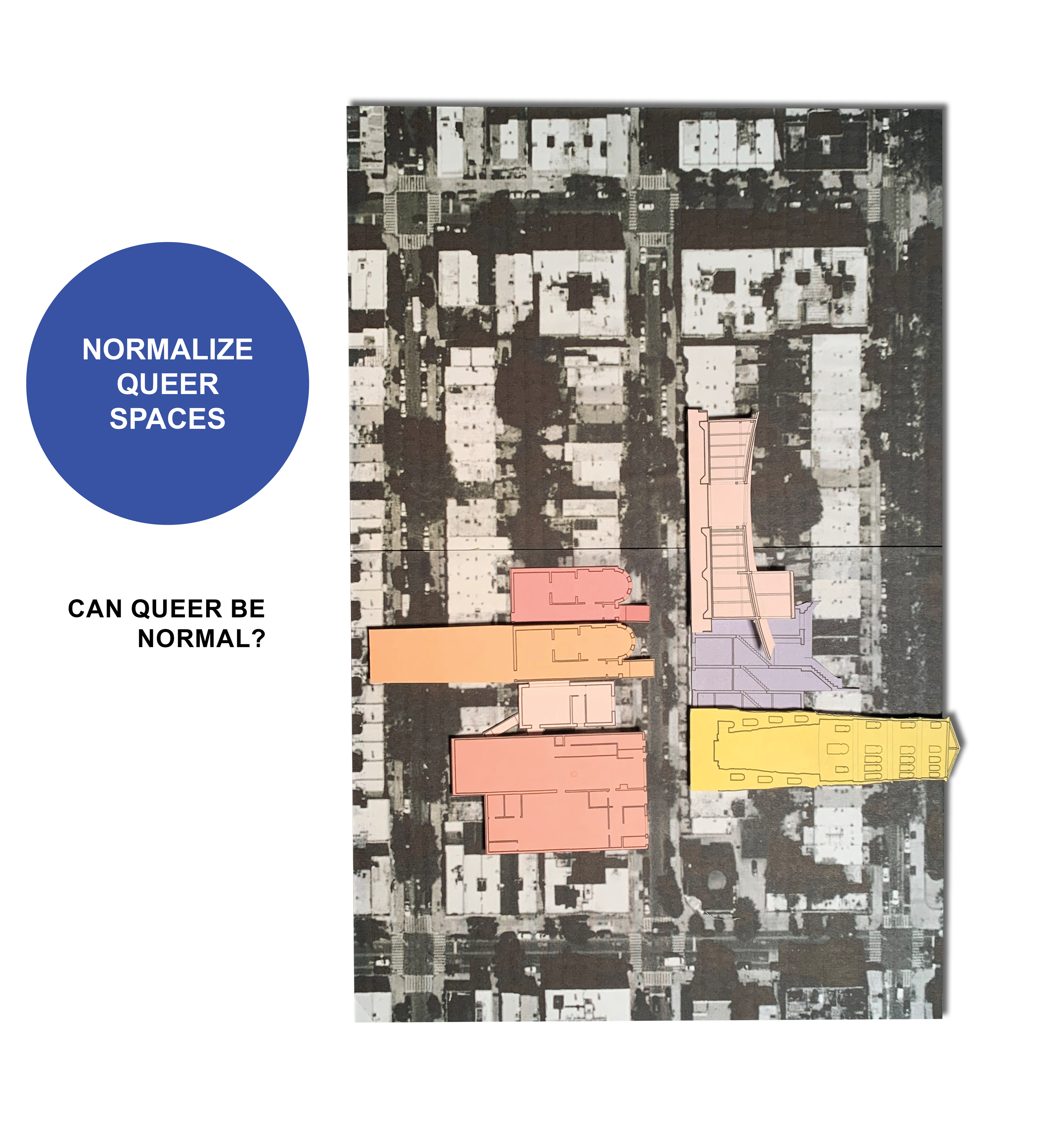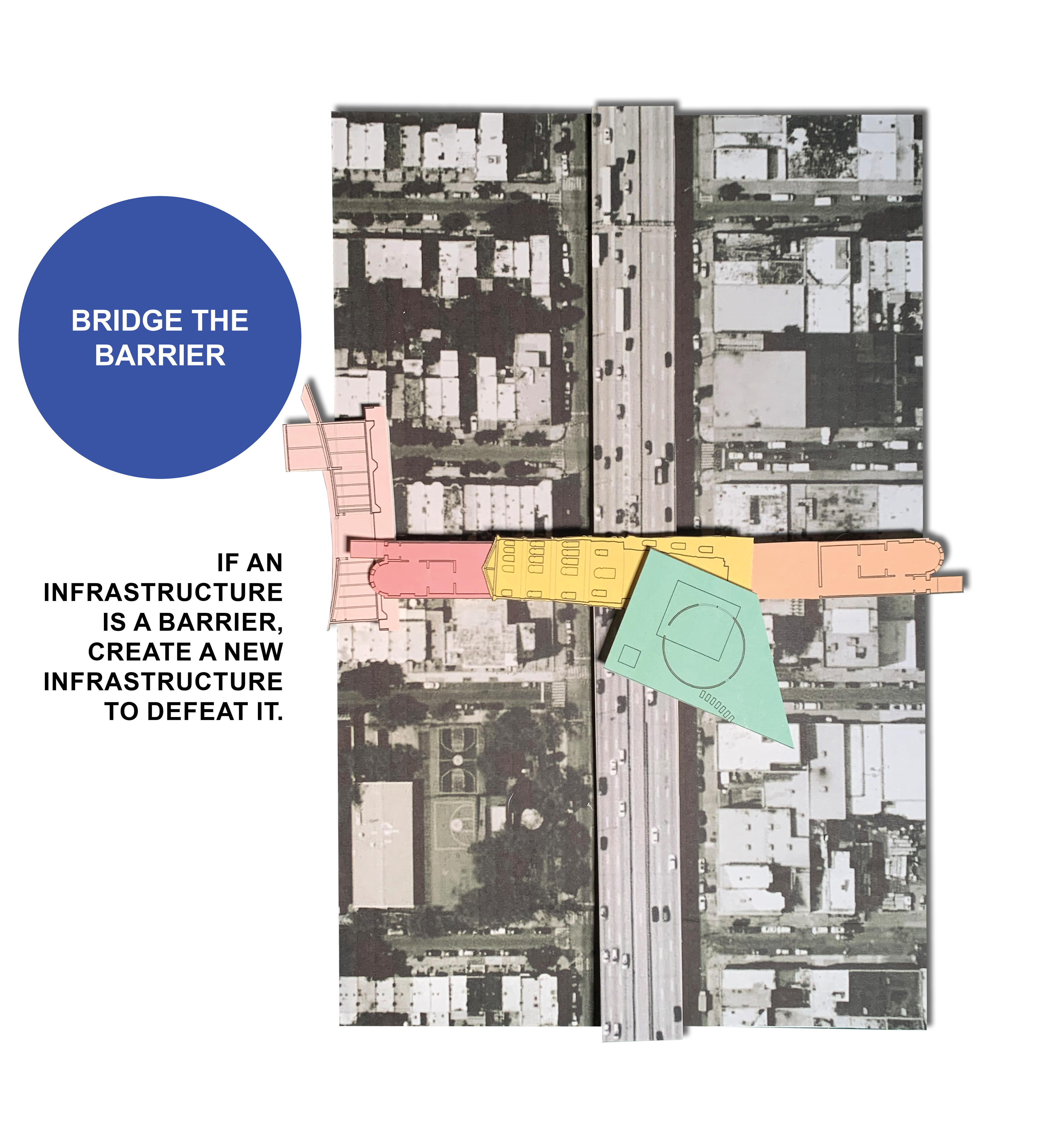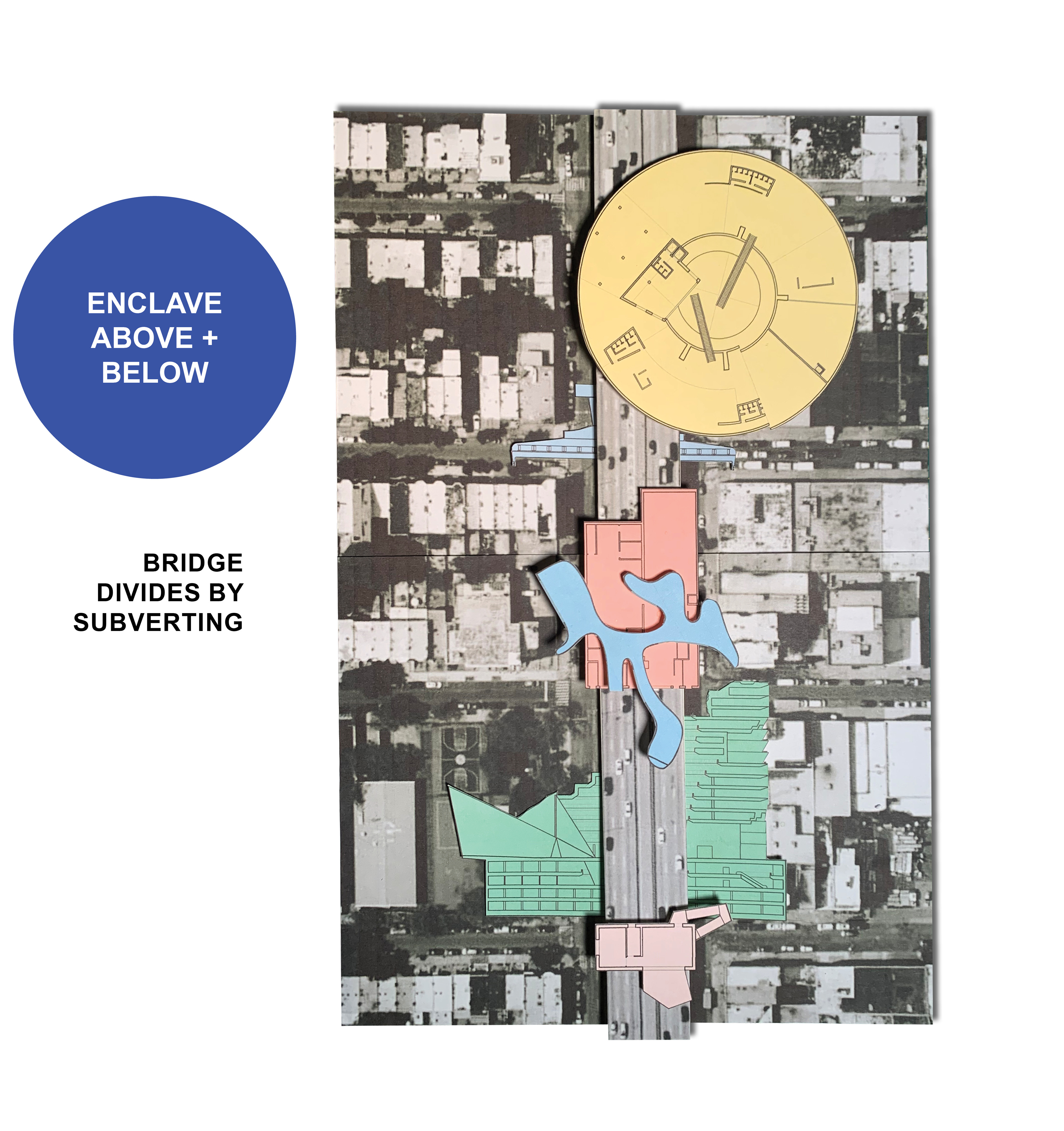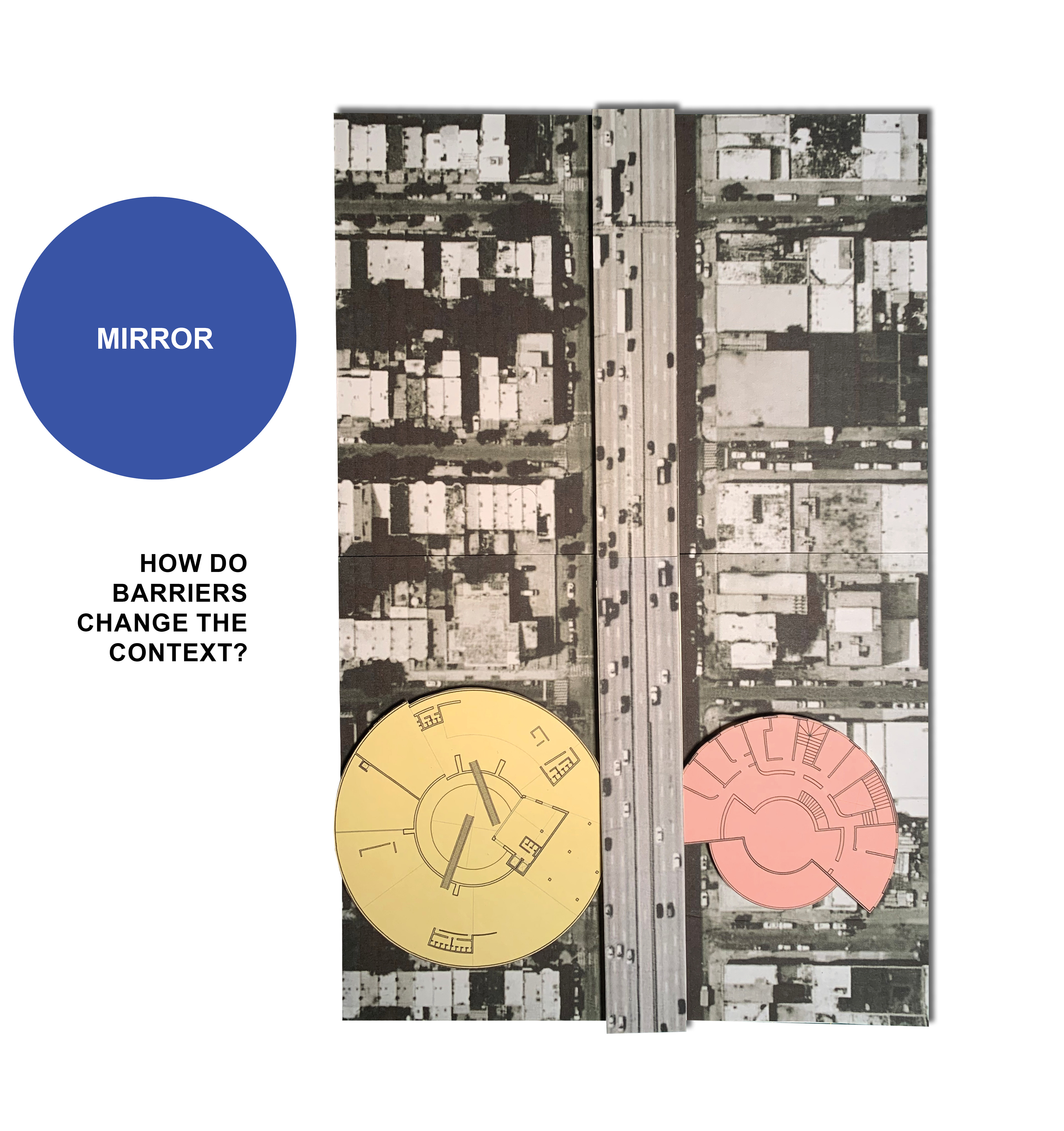
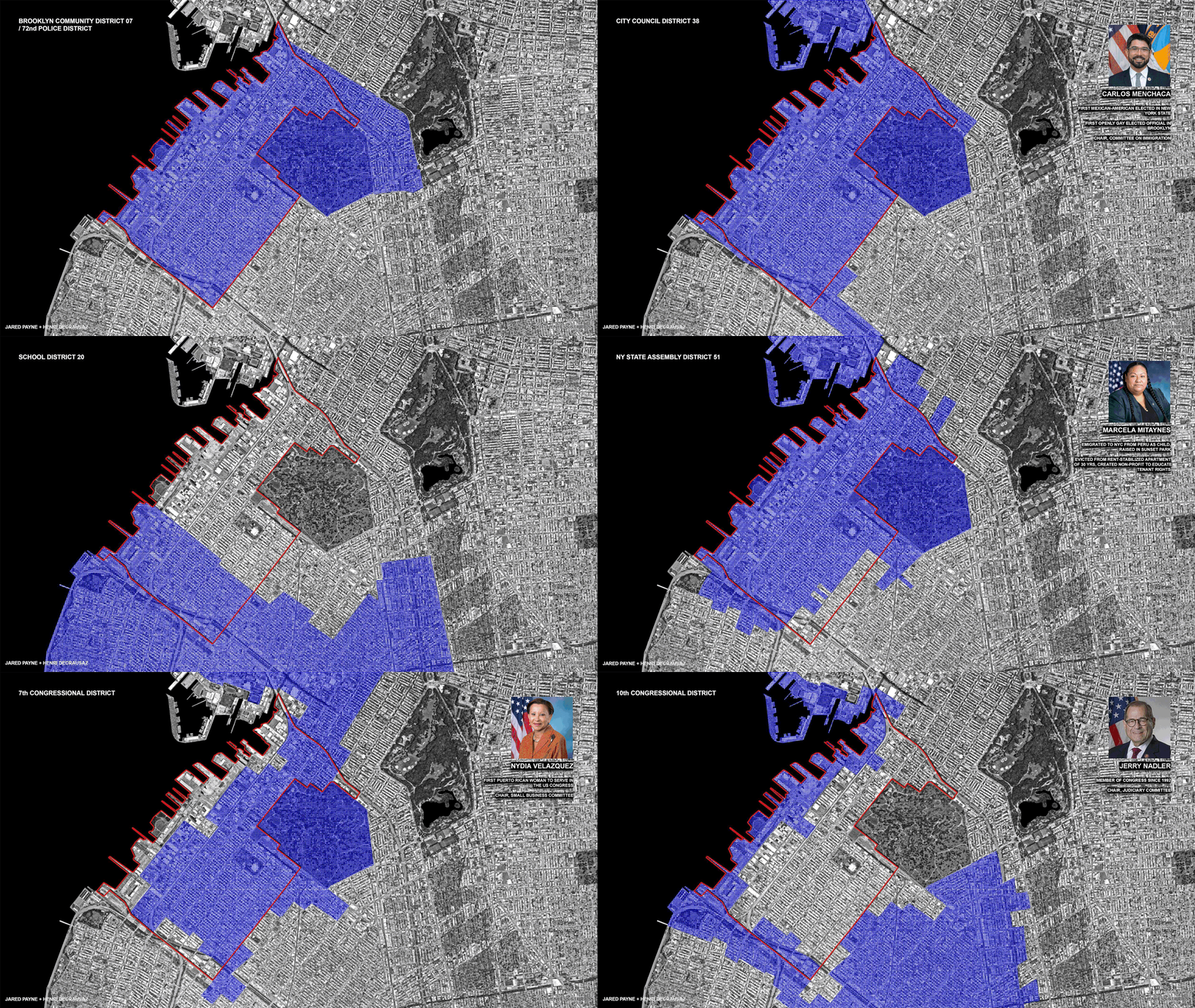
The variety of spatial boundaries that cut through the area demonstrate how the neighborhood lacks adequate avenues for self-expression as political boundaries slip past the neighborhood.
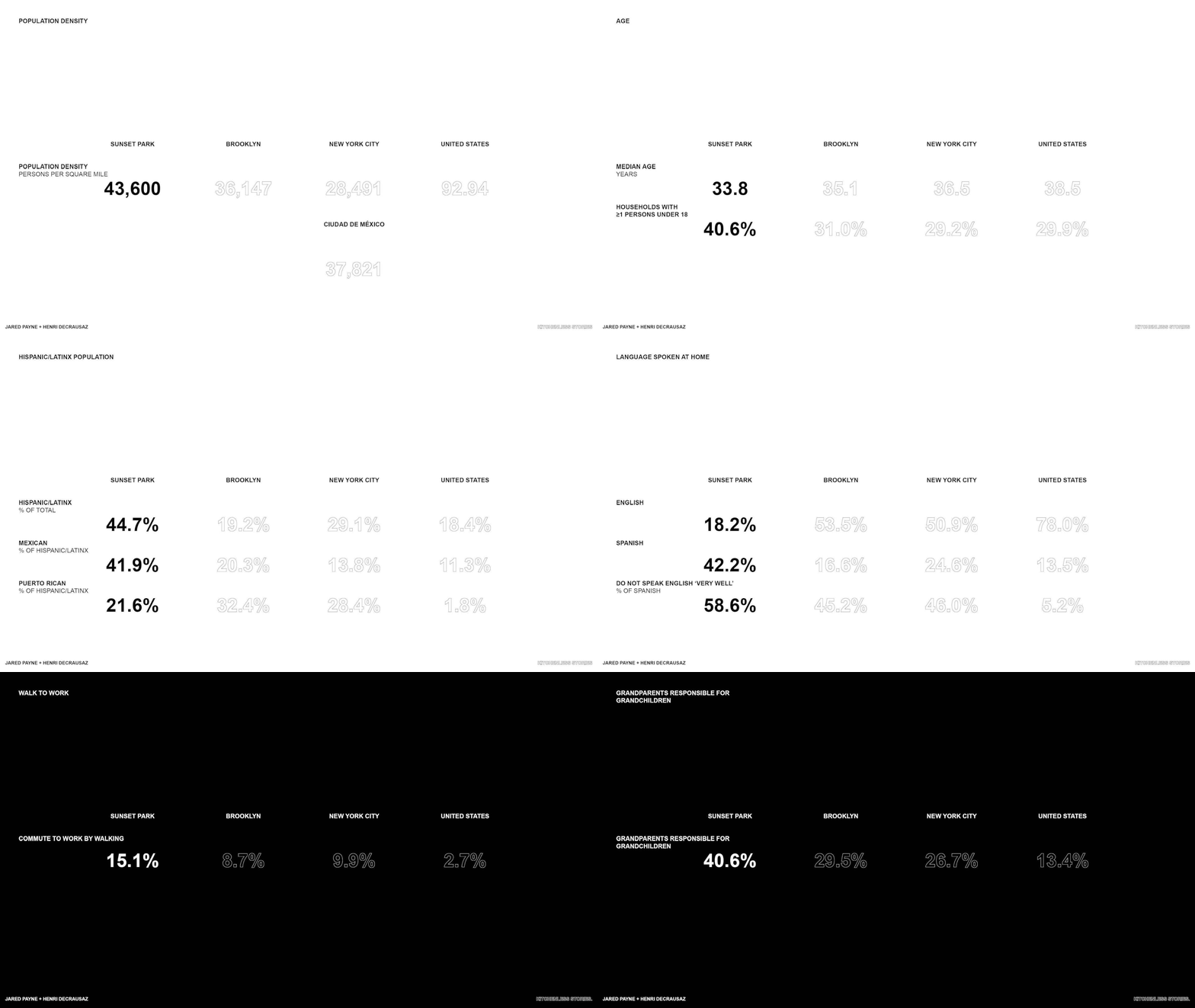
Using statistical definitions of Sunset Park from the United States Census Bureau, a technocratic picture of Sunset Park portrays an area with a young and densely populated urban fabric experiencing high rent burden, a labor force engaged significantly in food production, and a multi-generational domestic care structure.
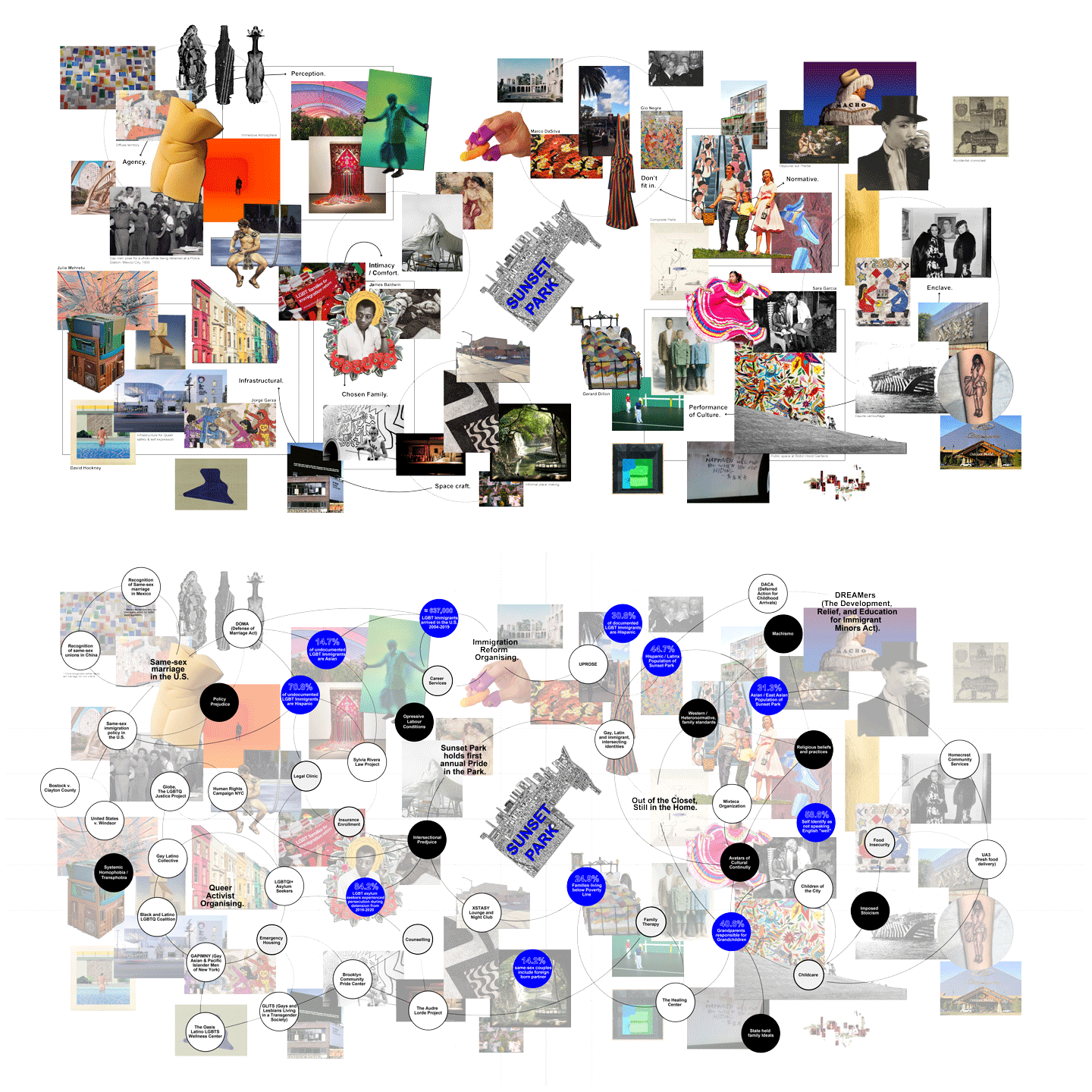
We distilled these interests into a collection of visual artifacts using a ‘mood board’ format - from which we could start working with broad thematic clusters and the connections between them such as Policy Prejudice and the legal recognition [or rejection] of queer social structures and subsequent legal status.
Cultural continuity and how these can relate to the home life of queer peoples became a central topic. The domestic environment, the ancillary structures of advocacy and activism, and the intersection of queerness and immigration also became important intersections of stressors on the community of Sunset Park.
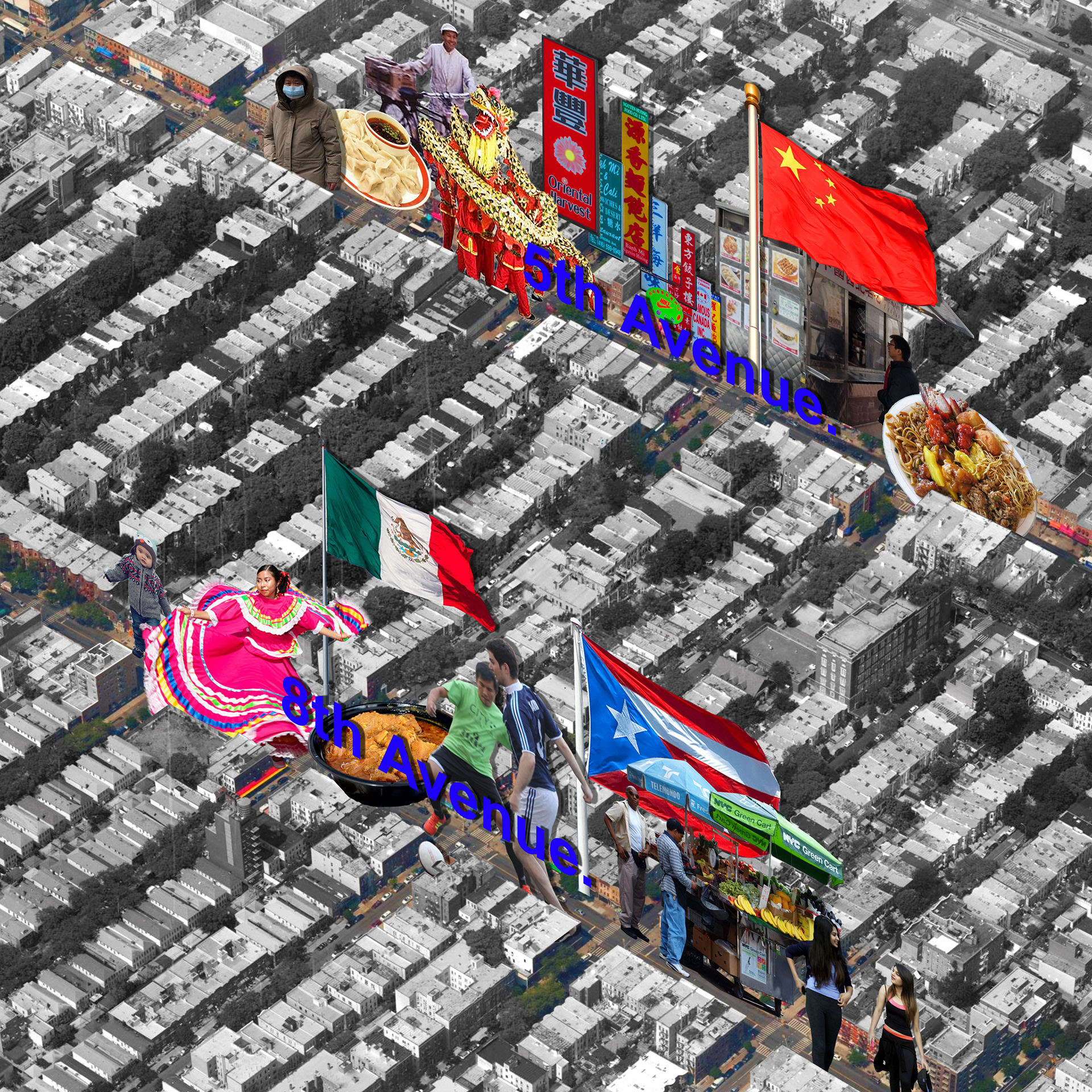
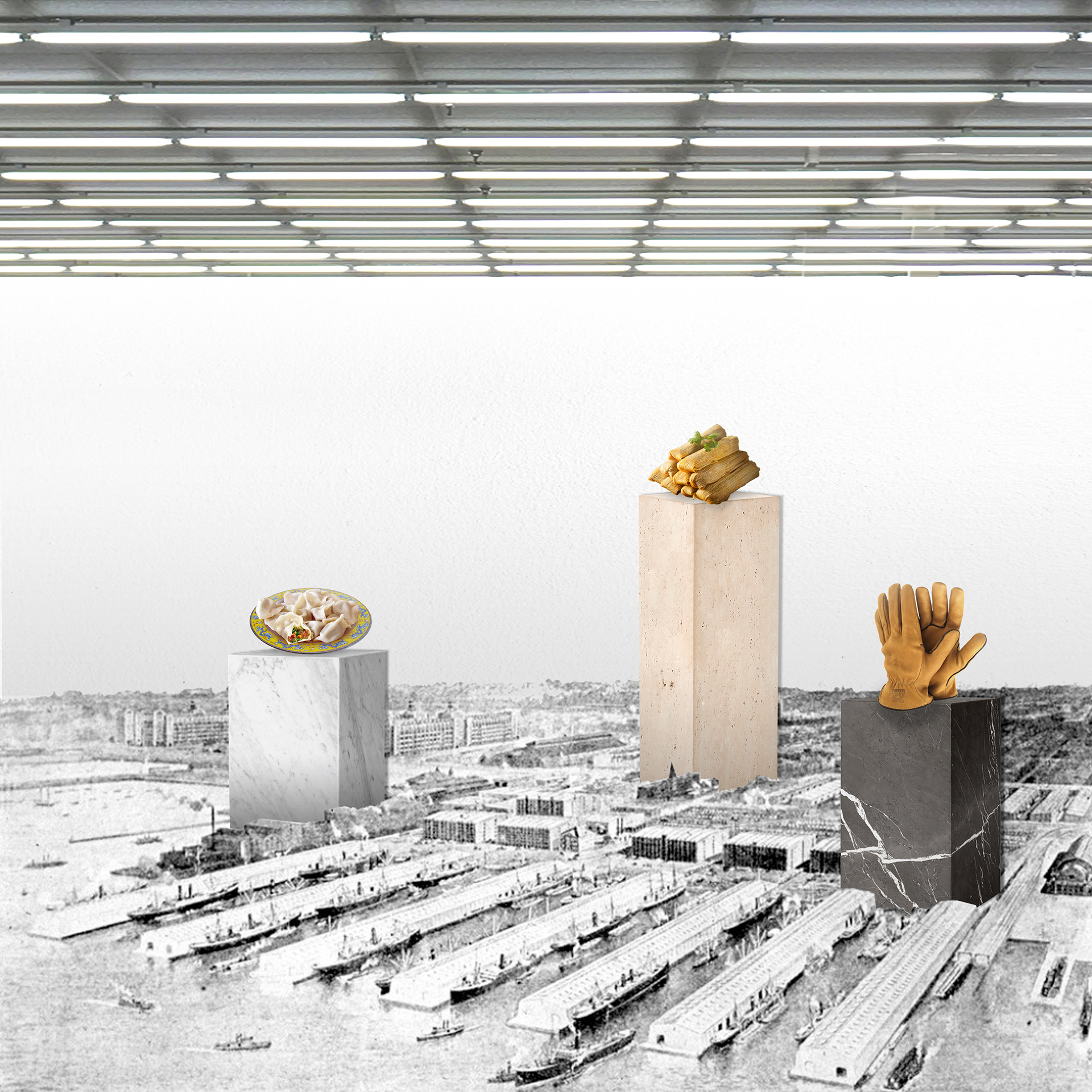
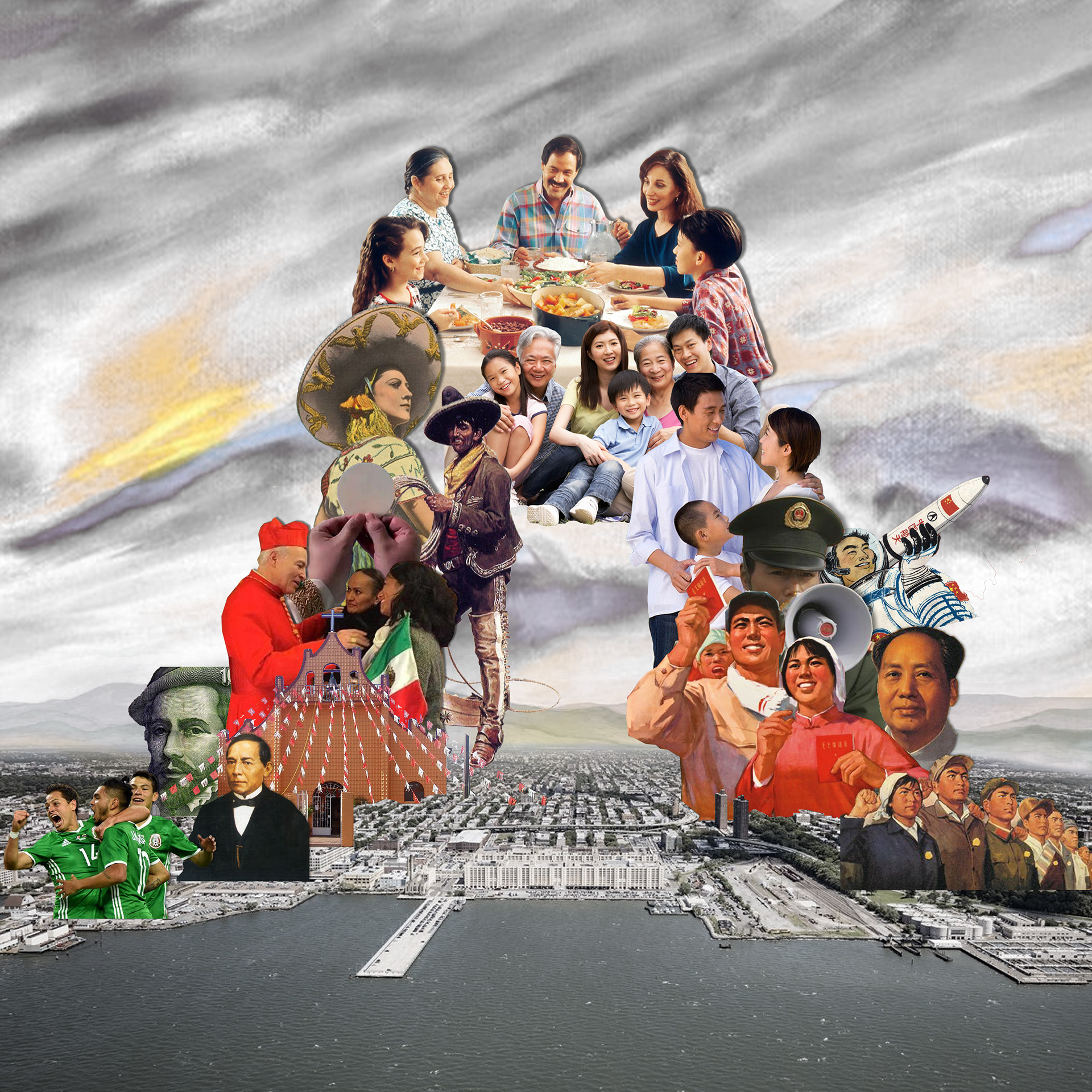
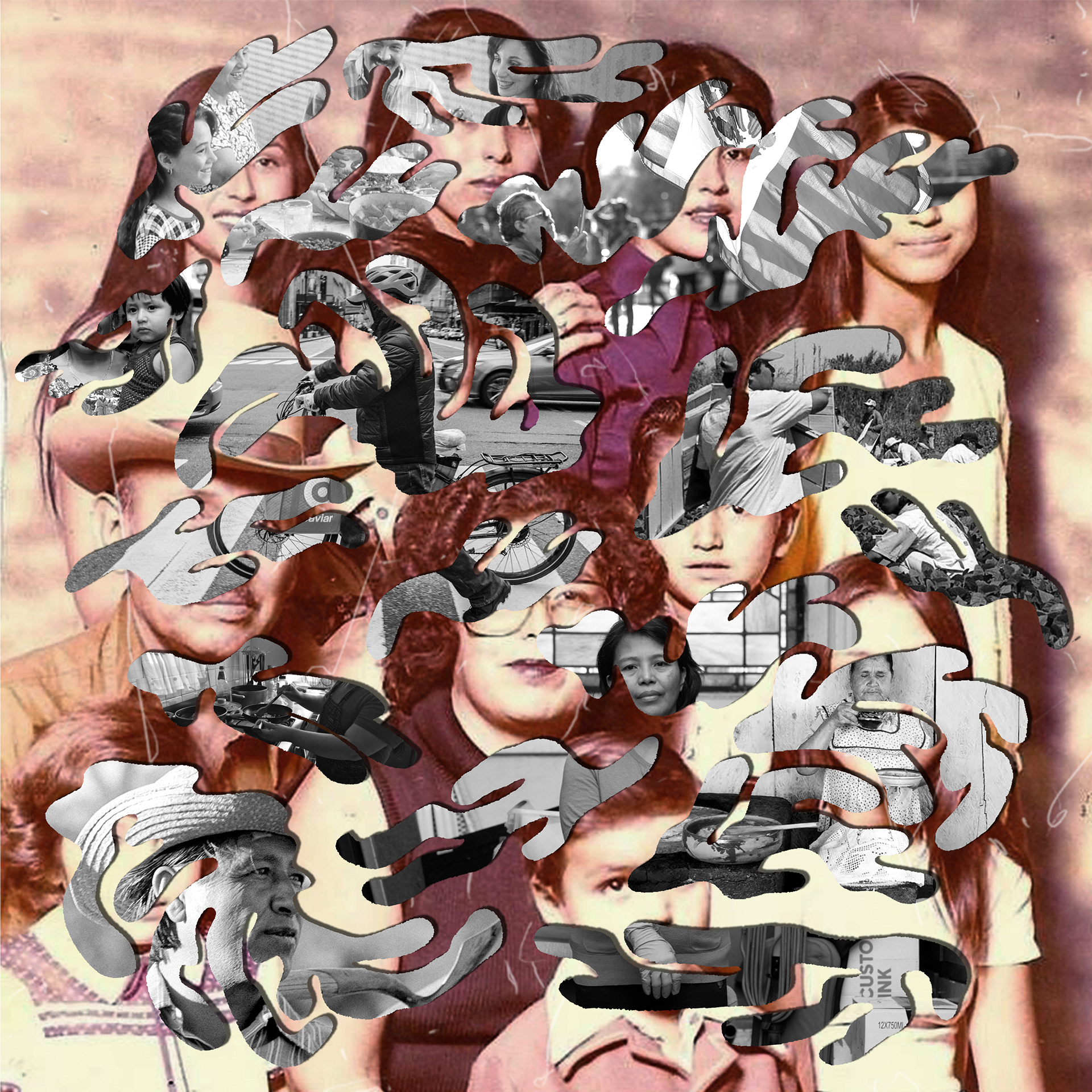
The rigors of establishing a home in a foreign land come to blow with the desire for normative family structures. Families will spatially deconstruct themselves, typically by one guardian relocating to another country to find work. This conflict between labors-- economic and social--has played out over decades: some families eventually fully establish themselves in the United States, others move back to their country of origin.
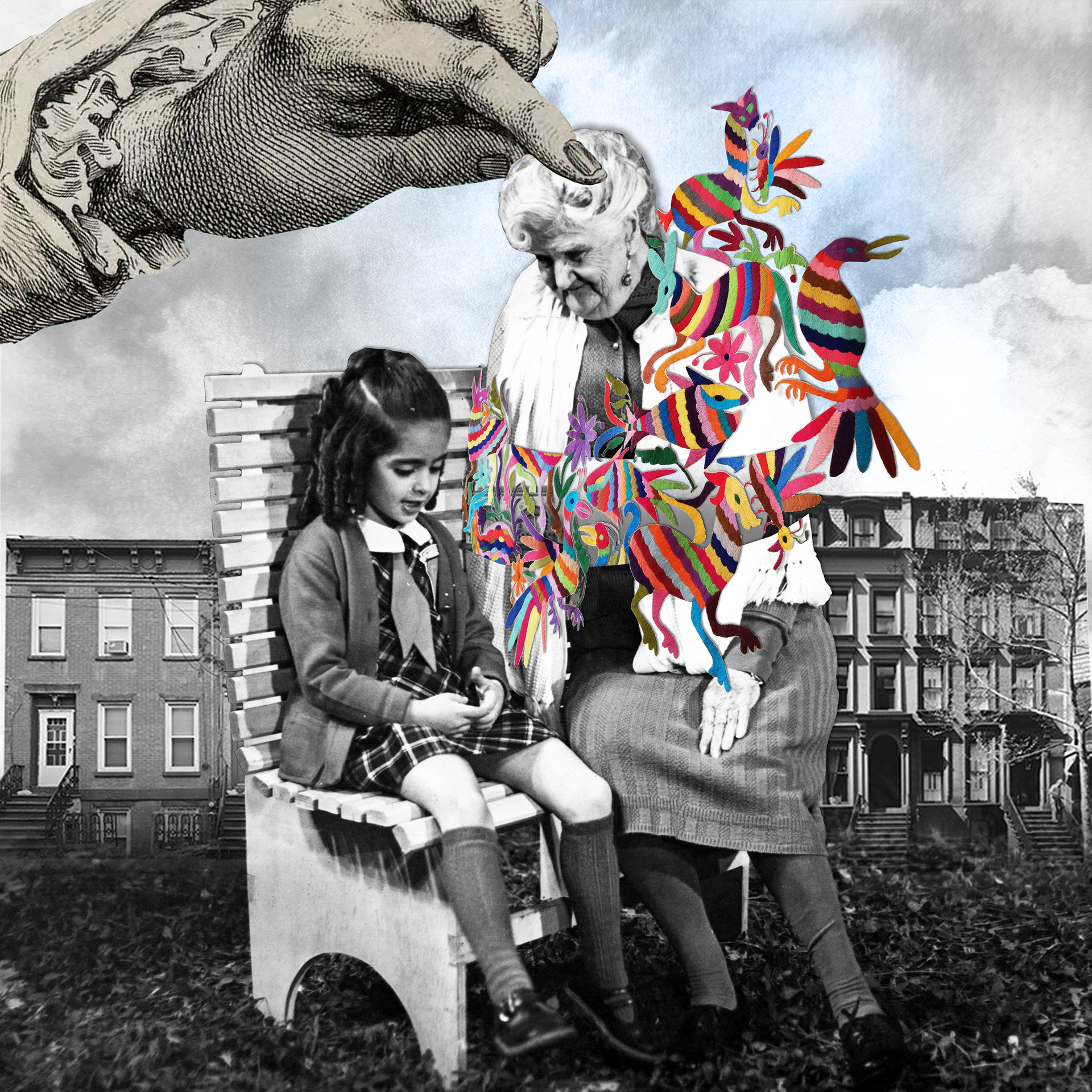
In Sunset Park, over 40% of grandparents are responsible for their grandchildren, compared to just 13% in the United States as a whole, demonstrating not only the labor of elder care, but also the labor of care that elders perform. The elevation of elders as caregivers and as a critical resource for the preservation of culture and practices serves to explain the reverence that grandparents hold in the community of Sunset Park.
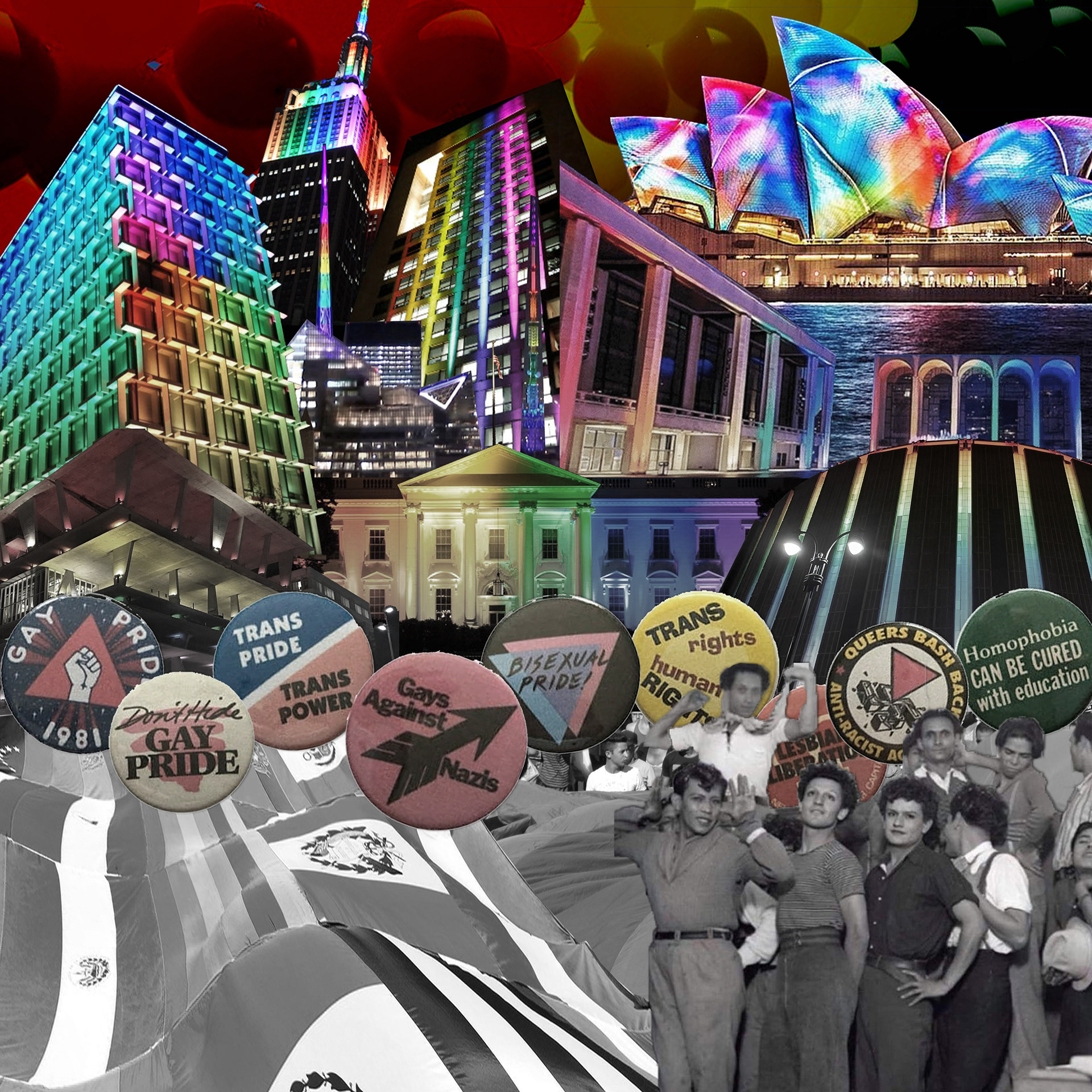
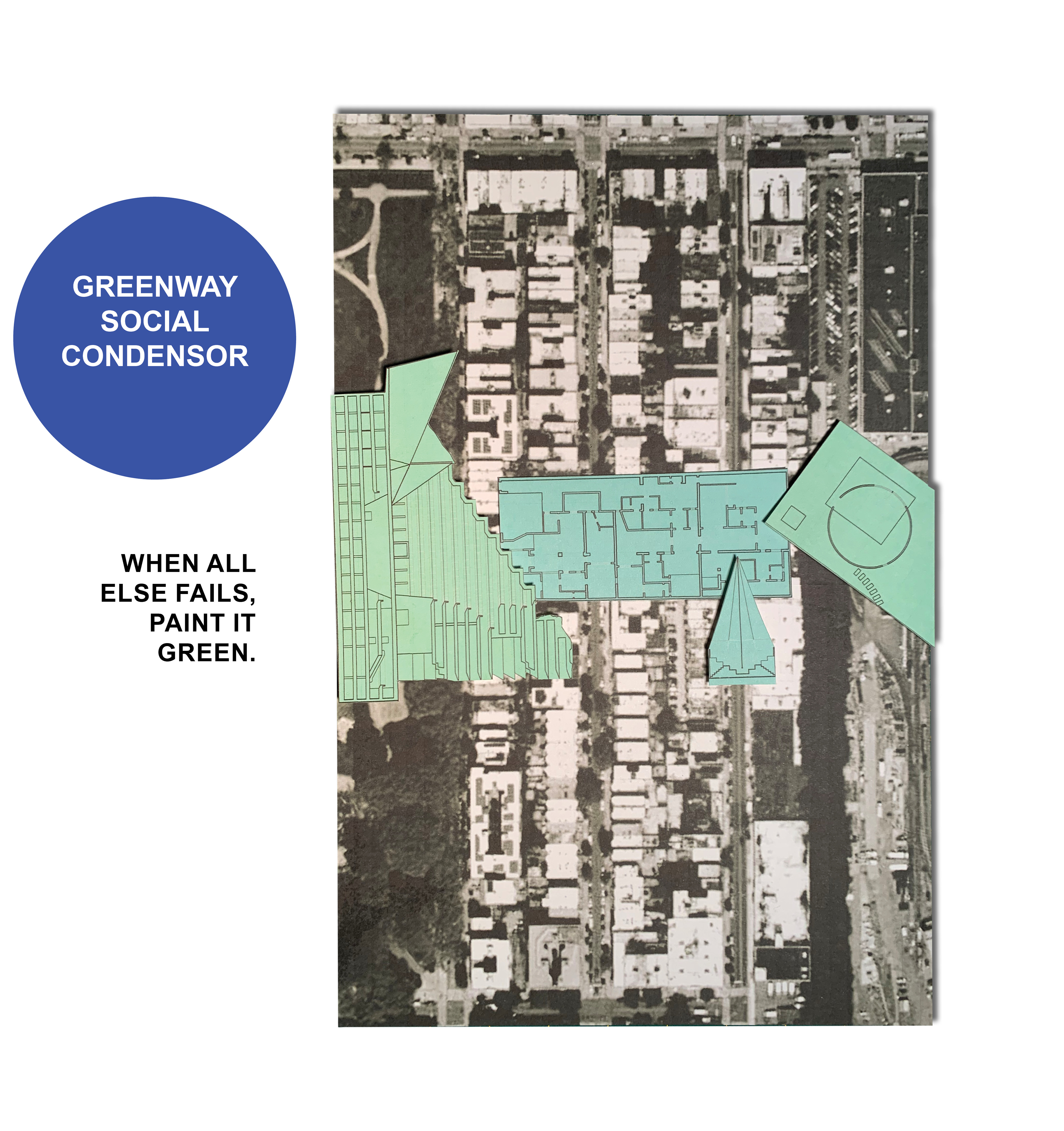
“Just paint it rainbow;” an act of theater and solidarity, on significant days celebrating the visibility and honoring the struggle of queer peoples, landmarks are lit up in rainbow. At its heart, these instagram-ready scenes are more publicity than action. The visibility of queer spaces is fraught with the visibility of queer people: not all people are willing to be labeled--in public--as queer. In short, spaces are put to queer use, rather than designed to be queer at the outset.
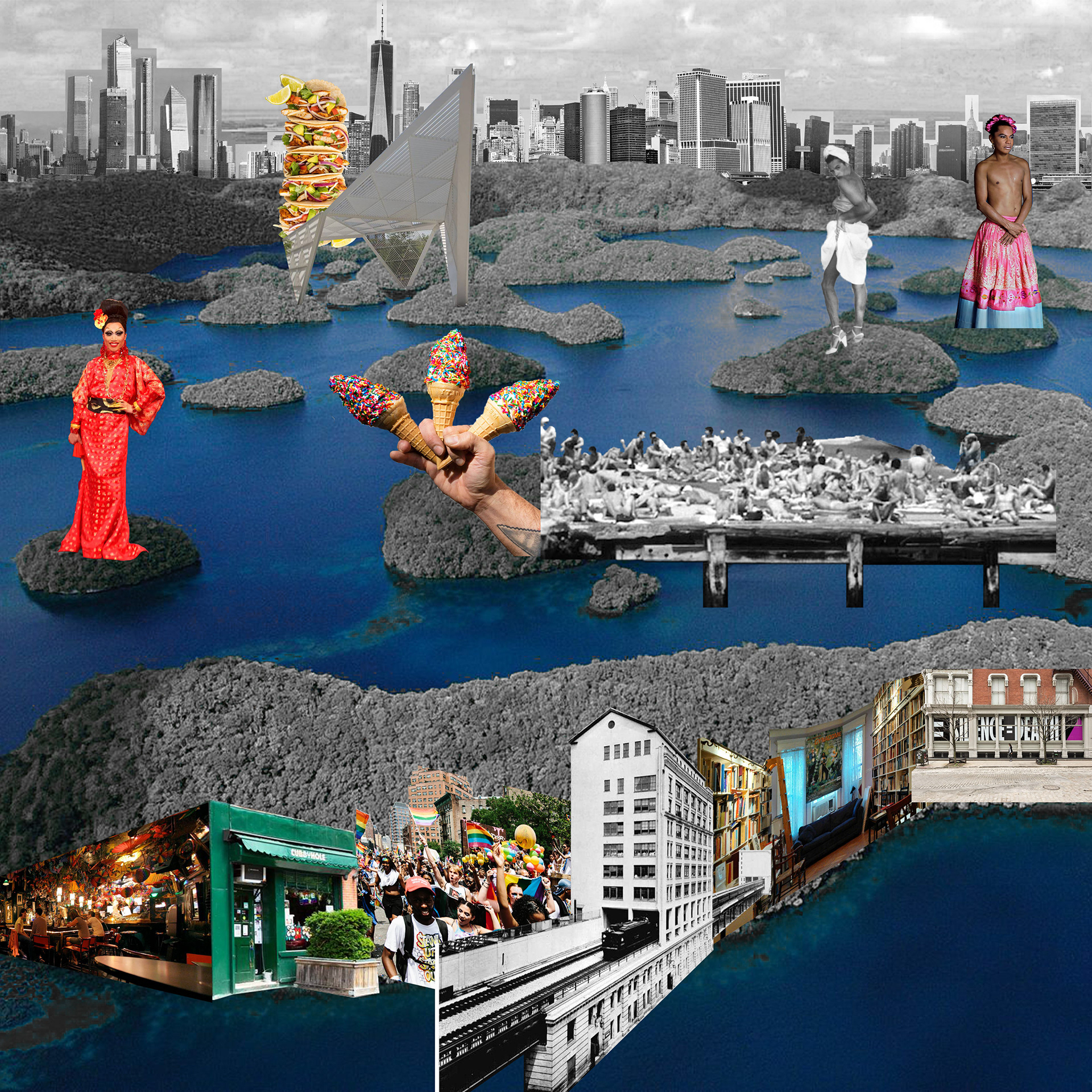
The umbrella term of ‘queer’ forms linked yet distinct identities, existing in a millieu of other societal identifiers. These identities form complex intersections of belief, performance, and expression. The social experience of queerness is mirrored in queer spaces: ‘gayborhoods’ act as urban social islands acting as collectives and condensors of queer culture in the fabric of spaces, notably in cities.
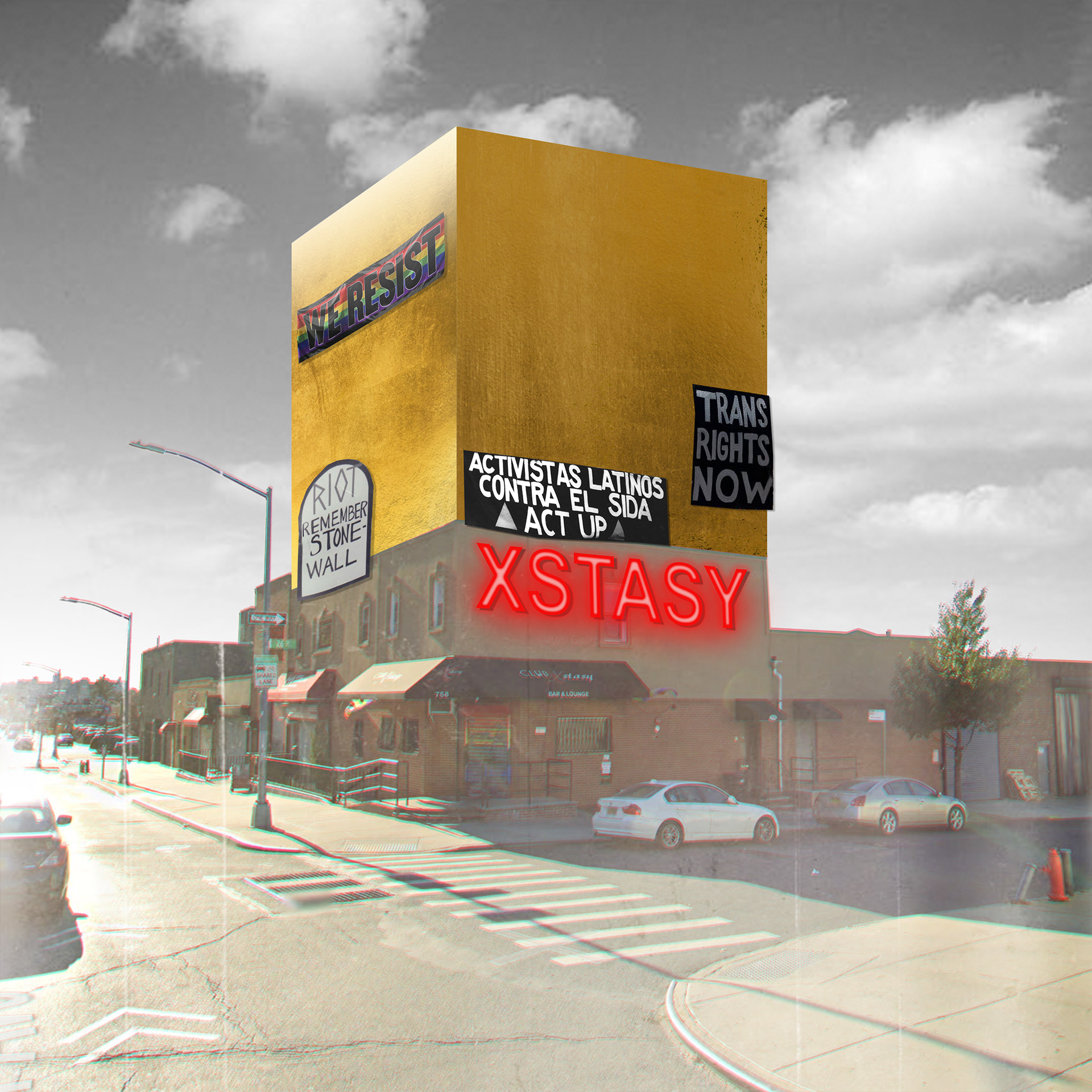
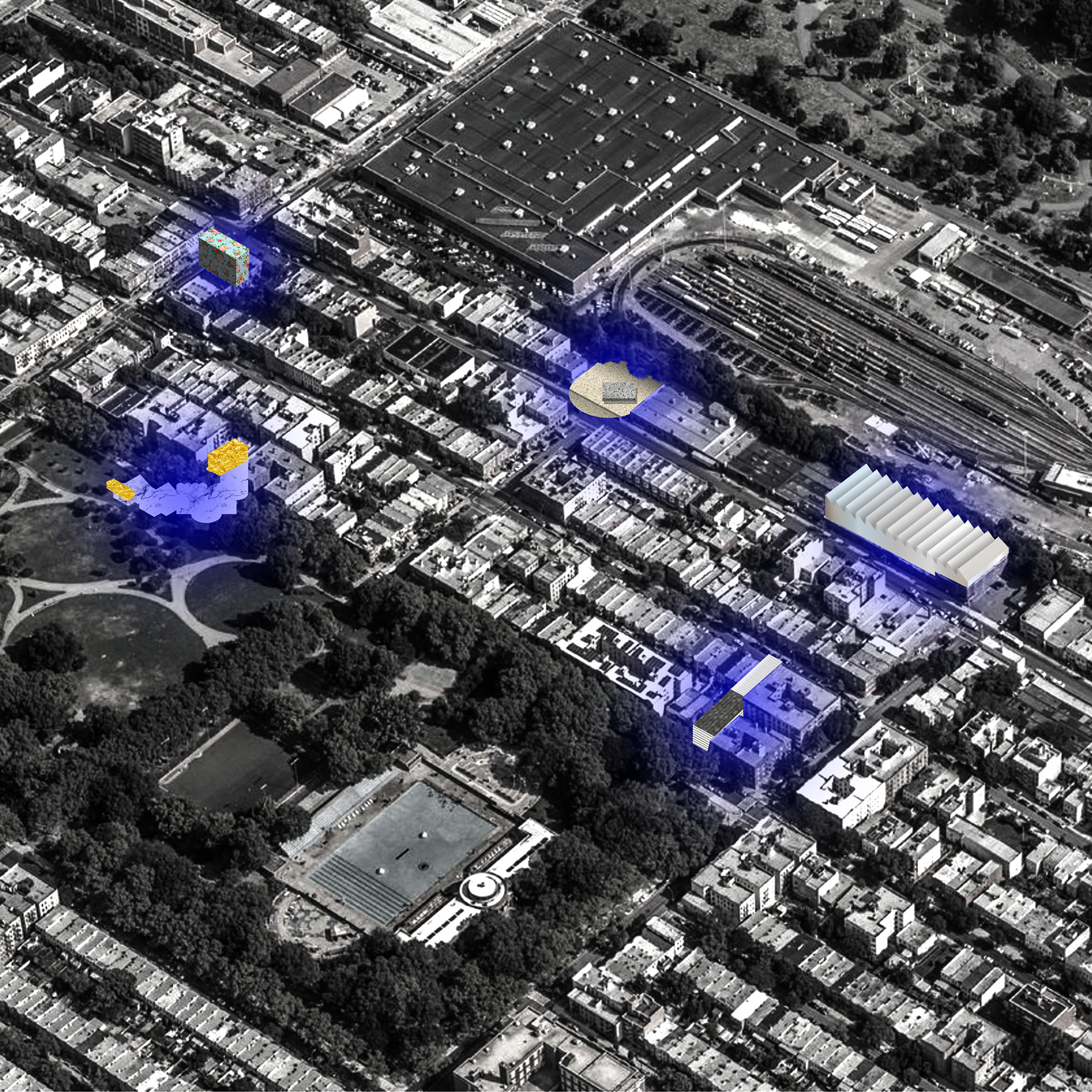
Xstatsy is one of few explicit elements of gay infrastructure in Sunset Park. A gay bar, its name suggests a status of subversive and enthralling culture rather than one of contemplative social isolation. An otherwise plain corner, there is a temptation to ascribe iconoclastic status to this building, heightening its subversive suggestion while demonstrates how icons are not wholly instructive to movements.
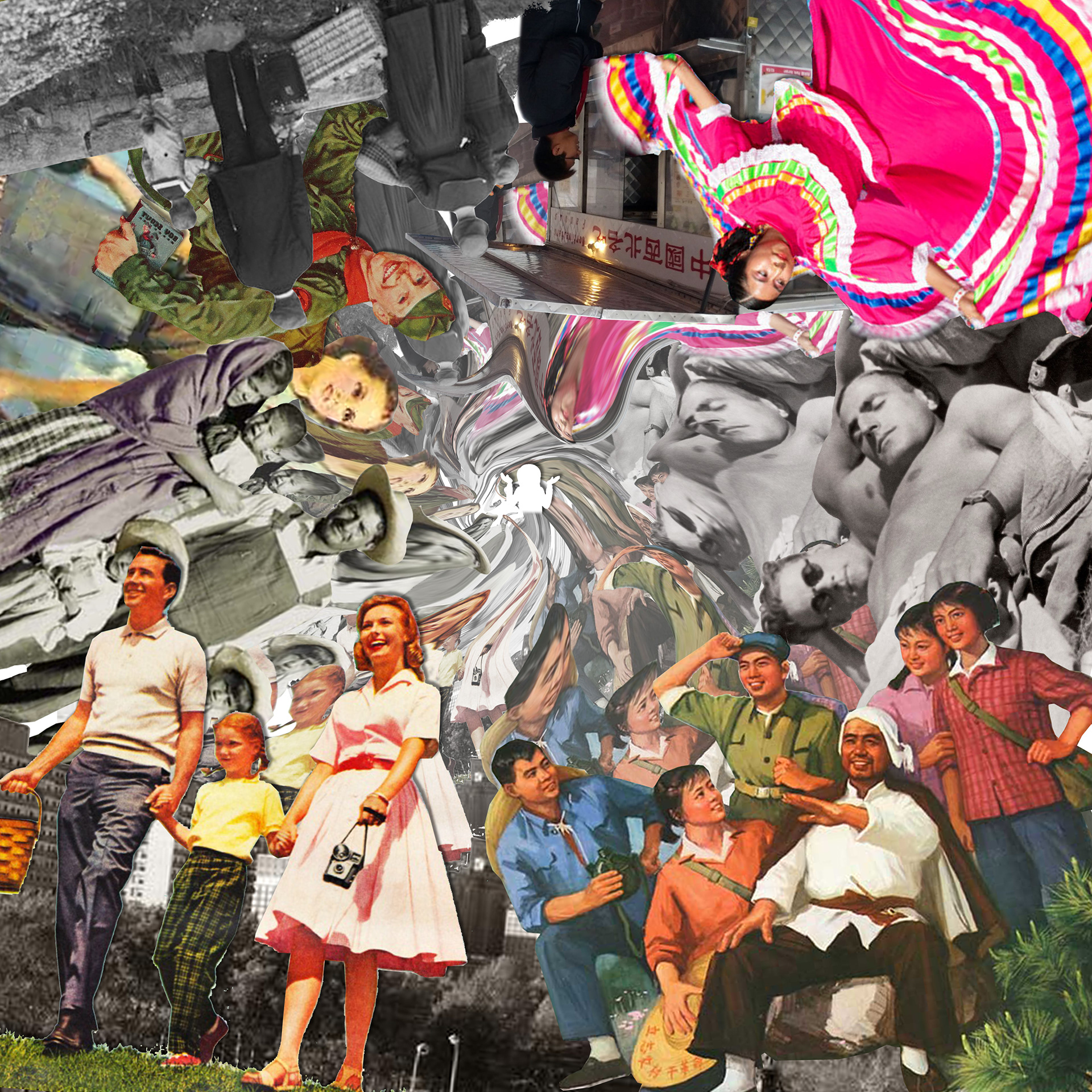
Those who navigate the thresholds between cultural enclaves and their setting, particularly young immigrants or children born to recent immigrants, straddle culture practiced in the home with the dominant customs or language of their context. The likely result is a blended identity, a spectrum in which one’s sense of self oscillates given circumstance and the environment.
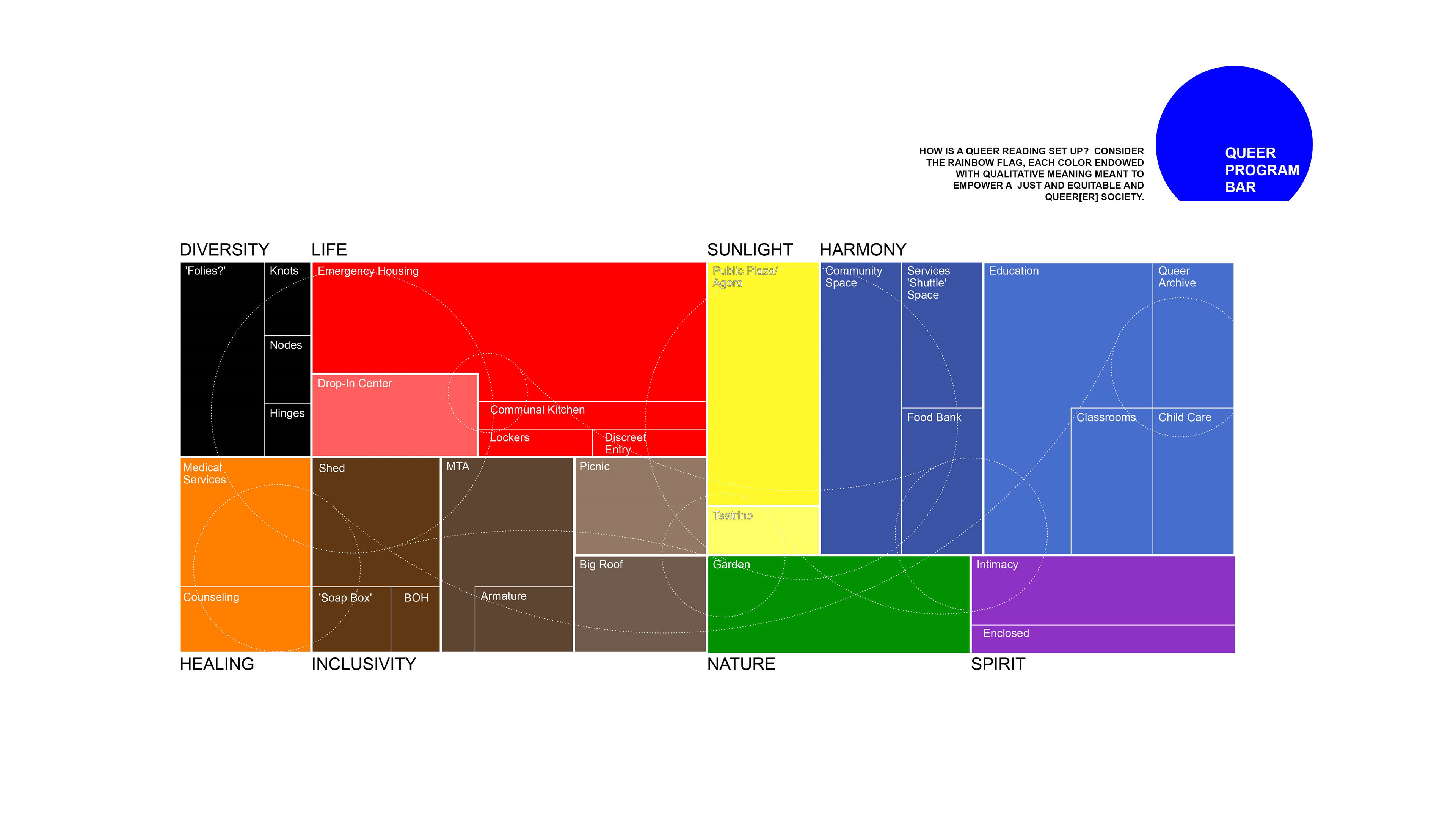
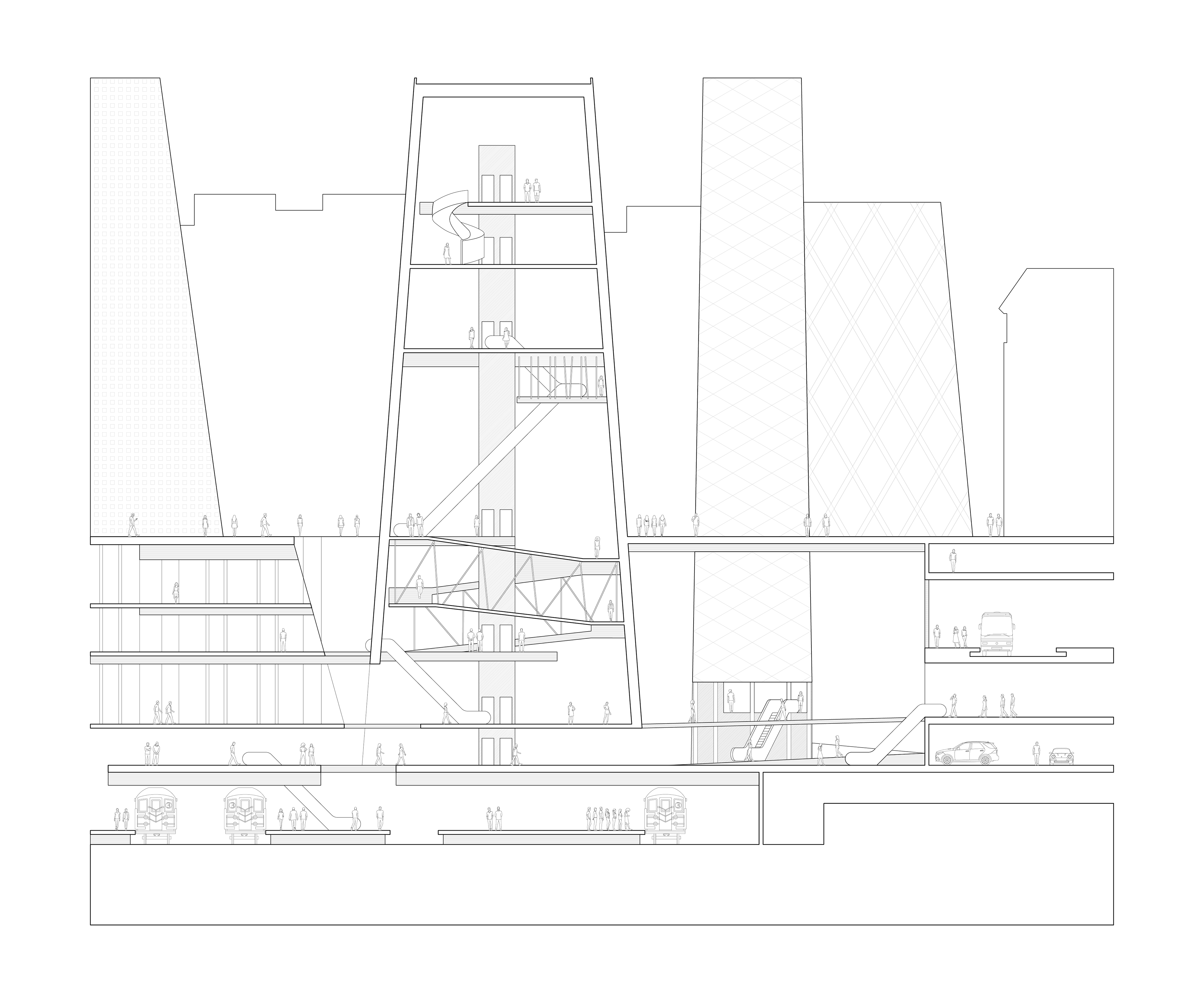
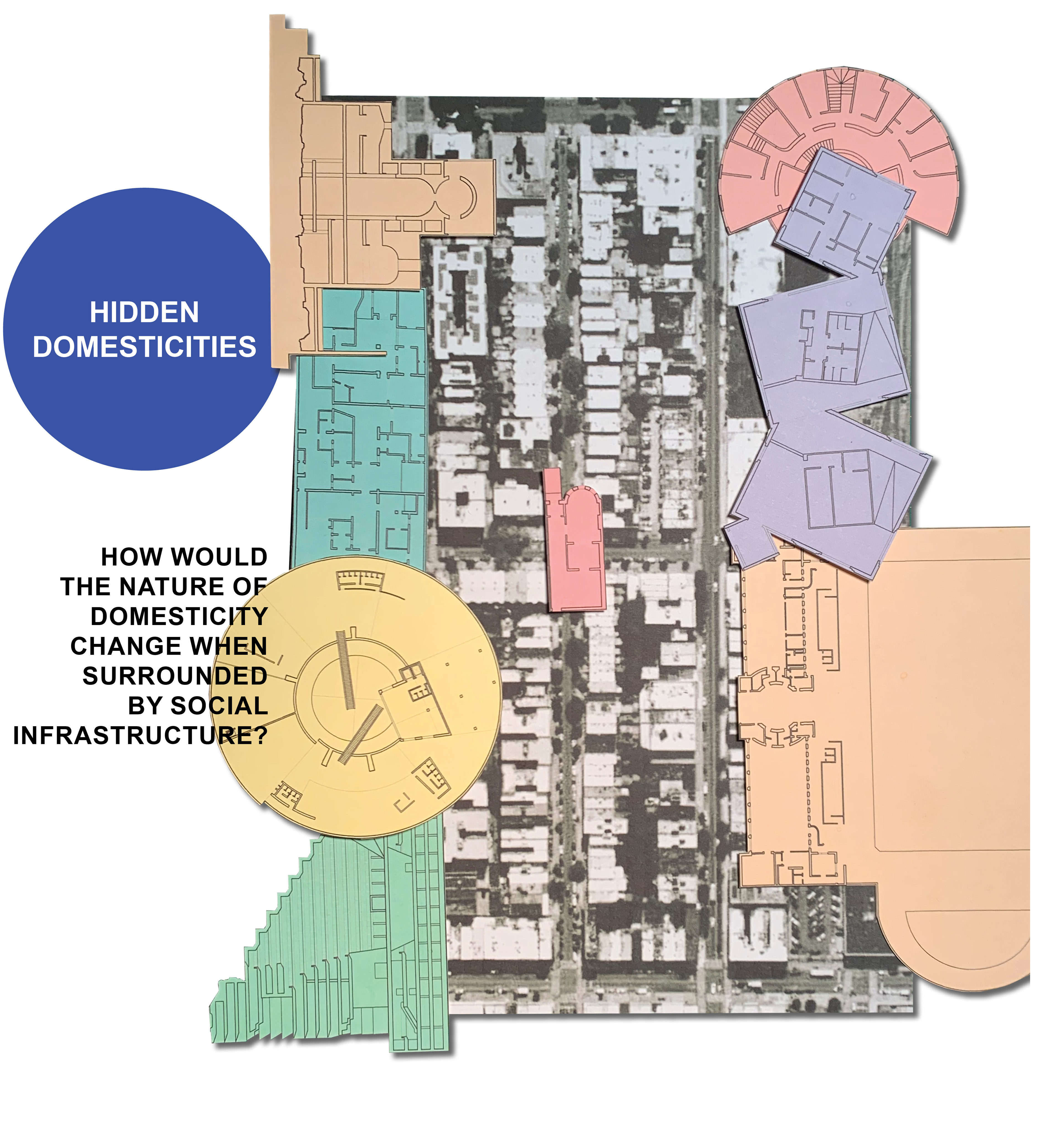
PLACE OF UNMASKING -- LES HALLES, OMA (2003) -- PARIS, FRANCE
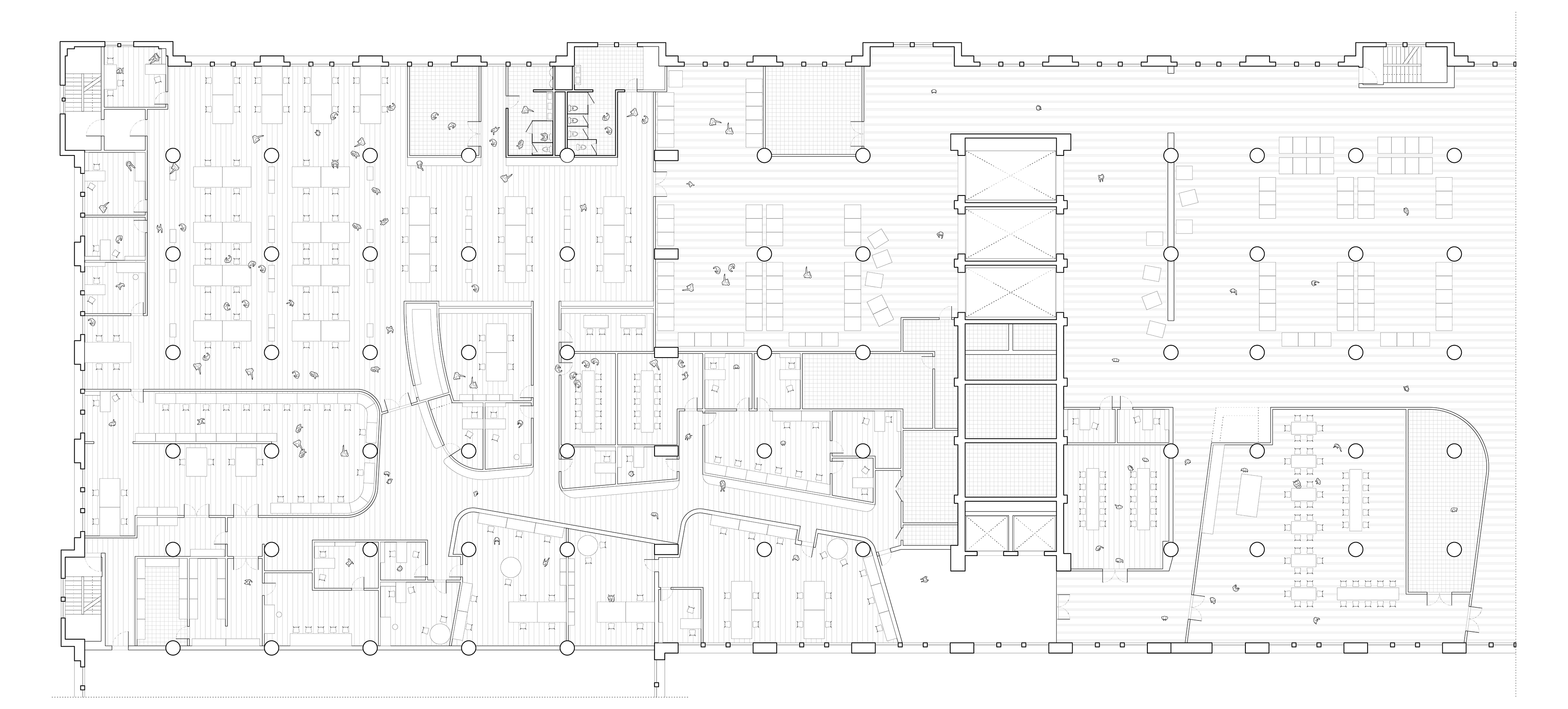
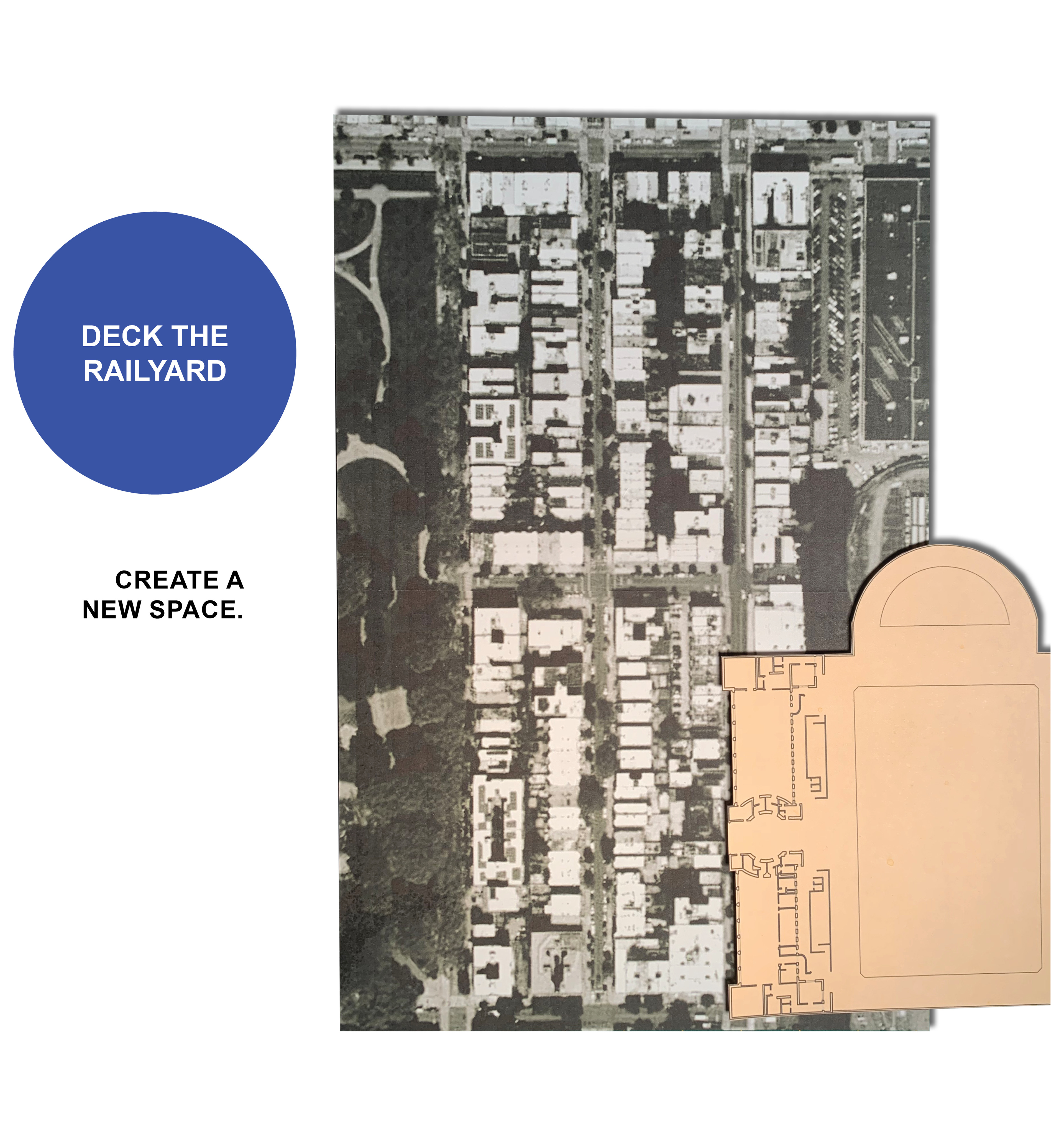
PLACE OF RE-STANDARDIZATION -- BROOKLYN ARMY TERMINAL RE-FURBISHMENT, AGENCIE -- BROOKLYN, NEW YORK
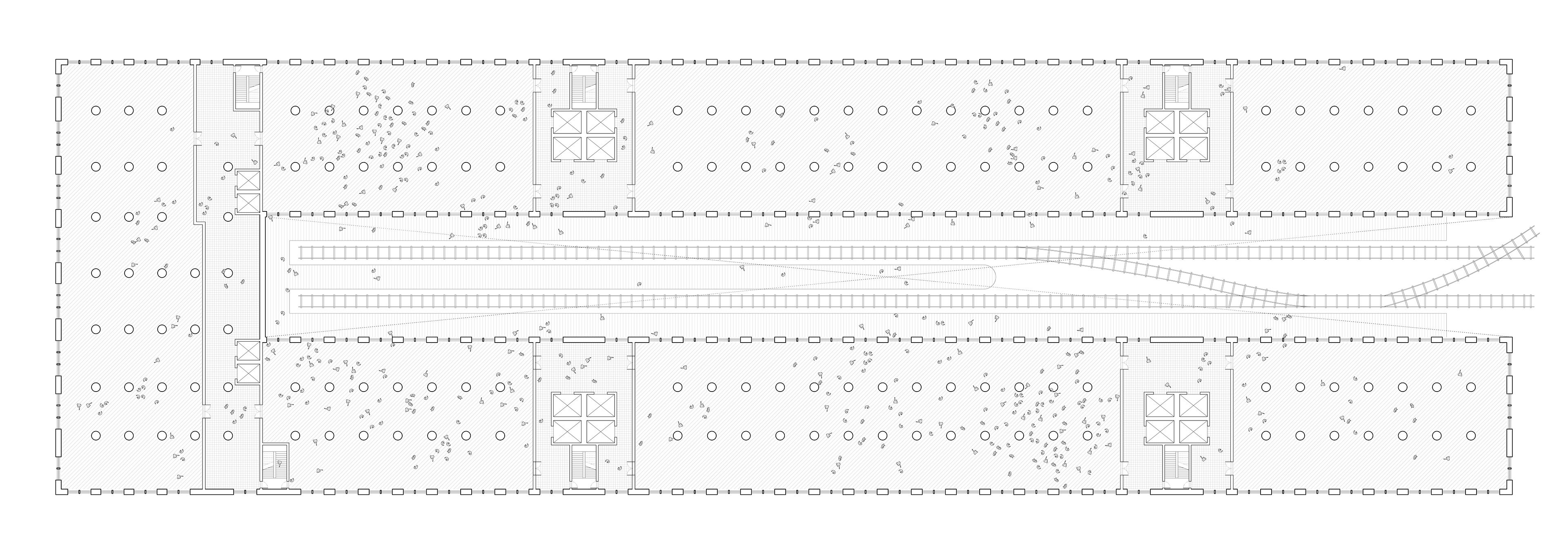
PLACE OF STANDARDIZATION -- GENERIC WAREHOUSE -- BROOKLYN, NEW YORK
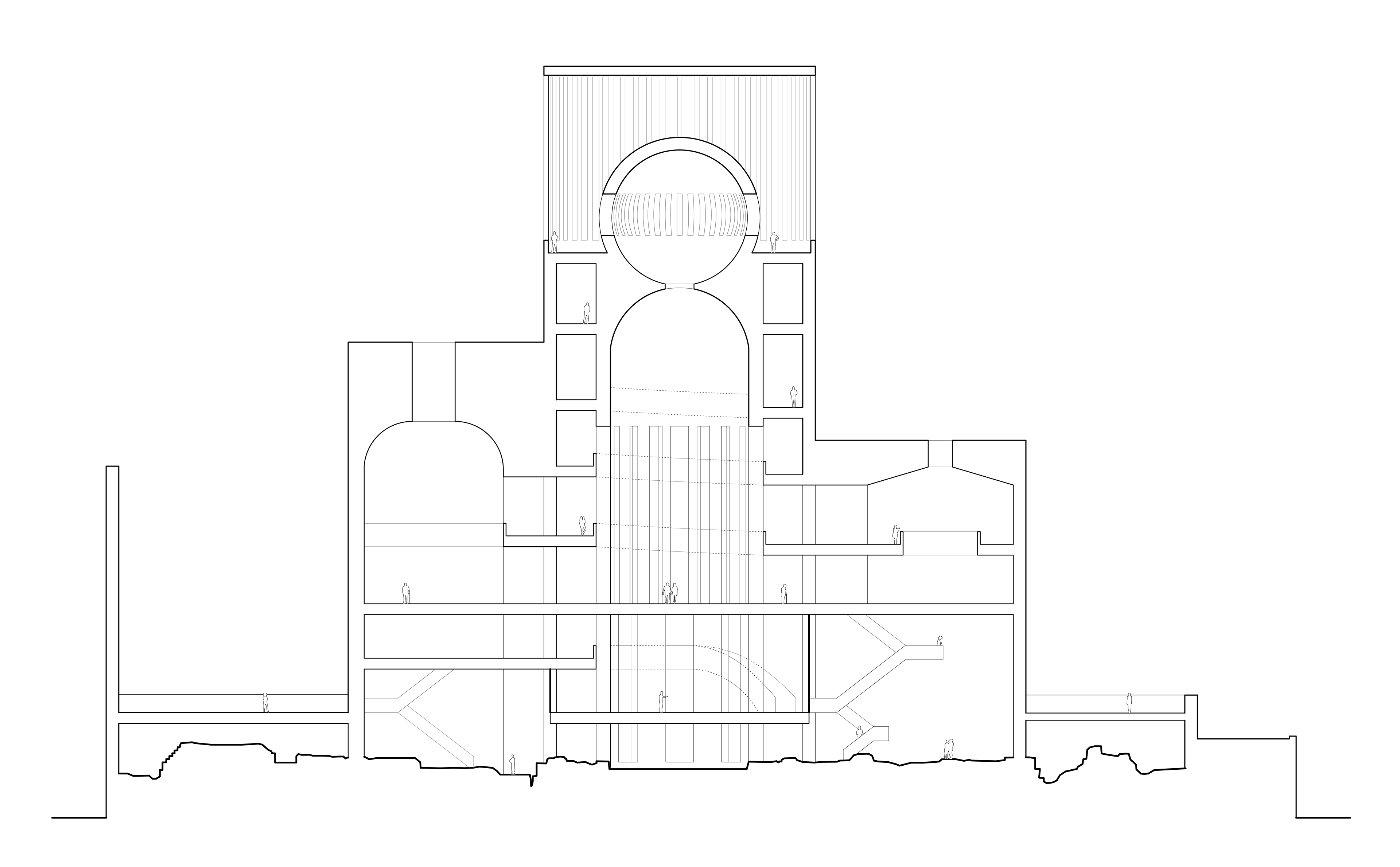
PLACE OF UNEXPECTED EPHEMERAL MEETING -- HOUSE OF ONE, KUEHN MALVEZZI (2011) -- BERLIN, GERMANY
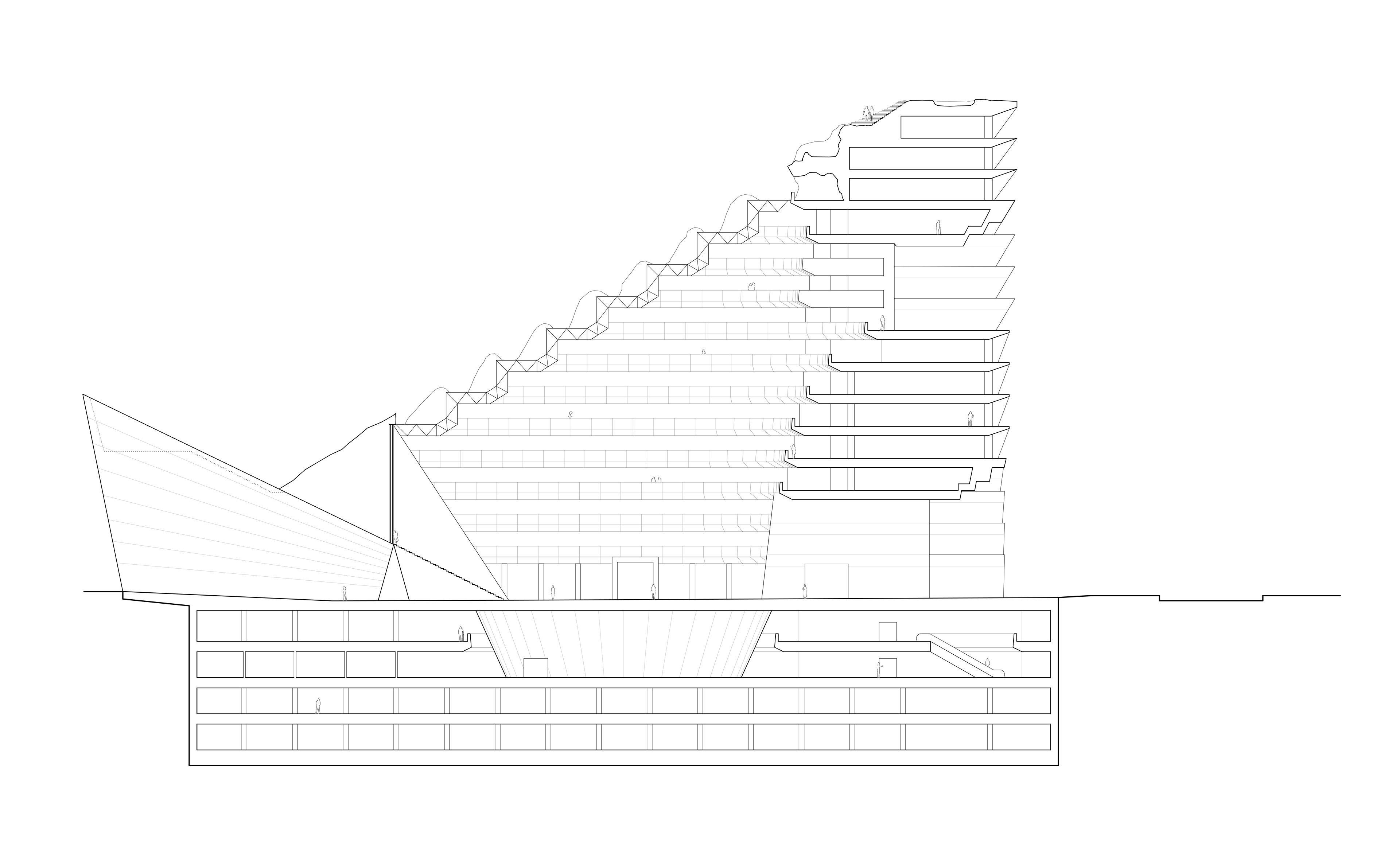
PLACE OF PERFORMATIVE CAMOFLAGE -- FUKUOKA PREFECTURAL HALL, EMILIO AMBASZ (1995) -- FUKUOKA, JAPAN
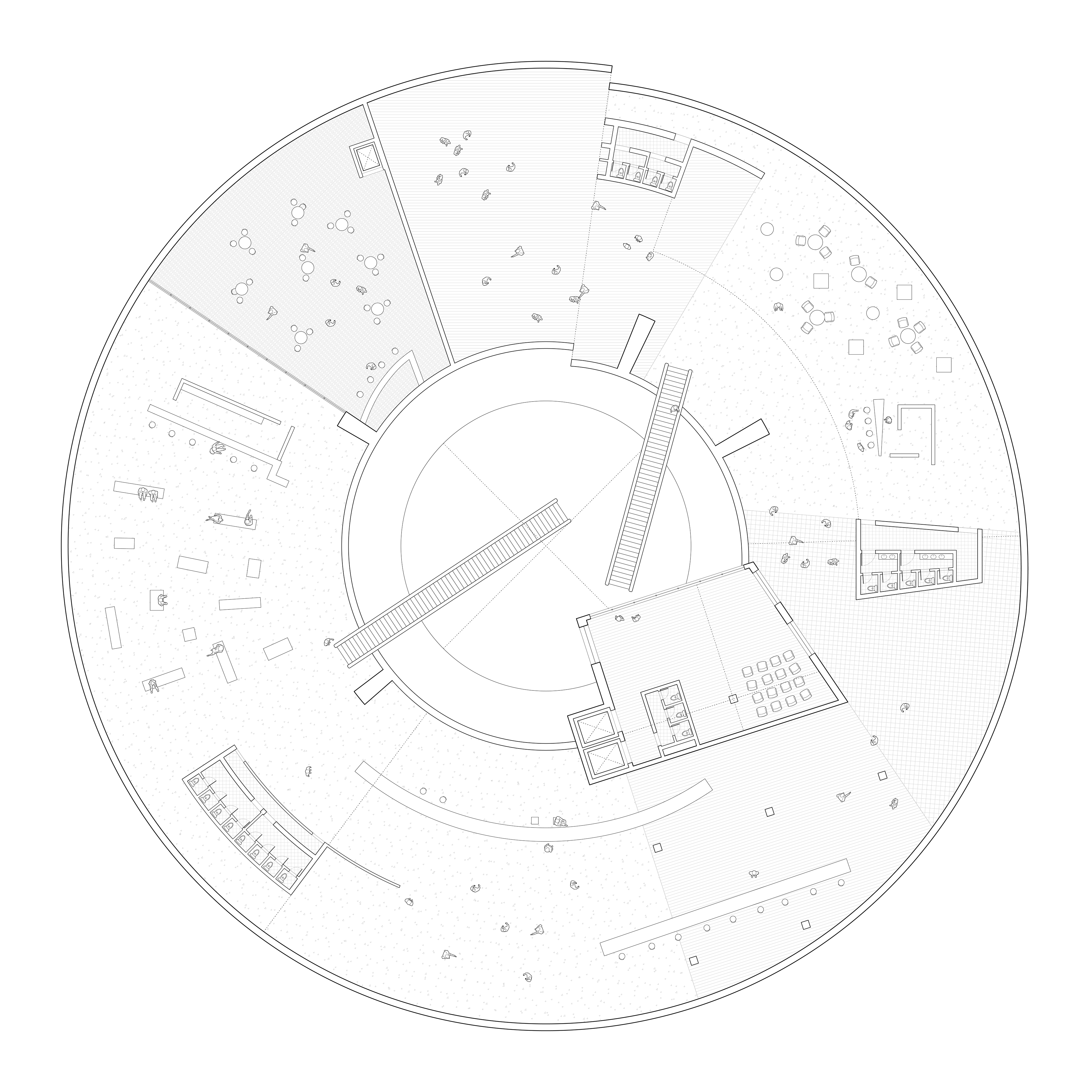
PLACE OF UNEXPECTED INFRASTRUCTURAL MEETING -- ZEEBRUGGE SEA TERMINAL, OMA (1988) -- ZEEBRUGGE, BELGIUM
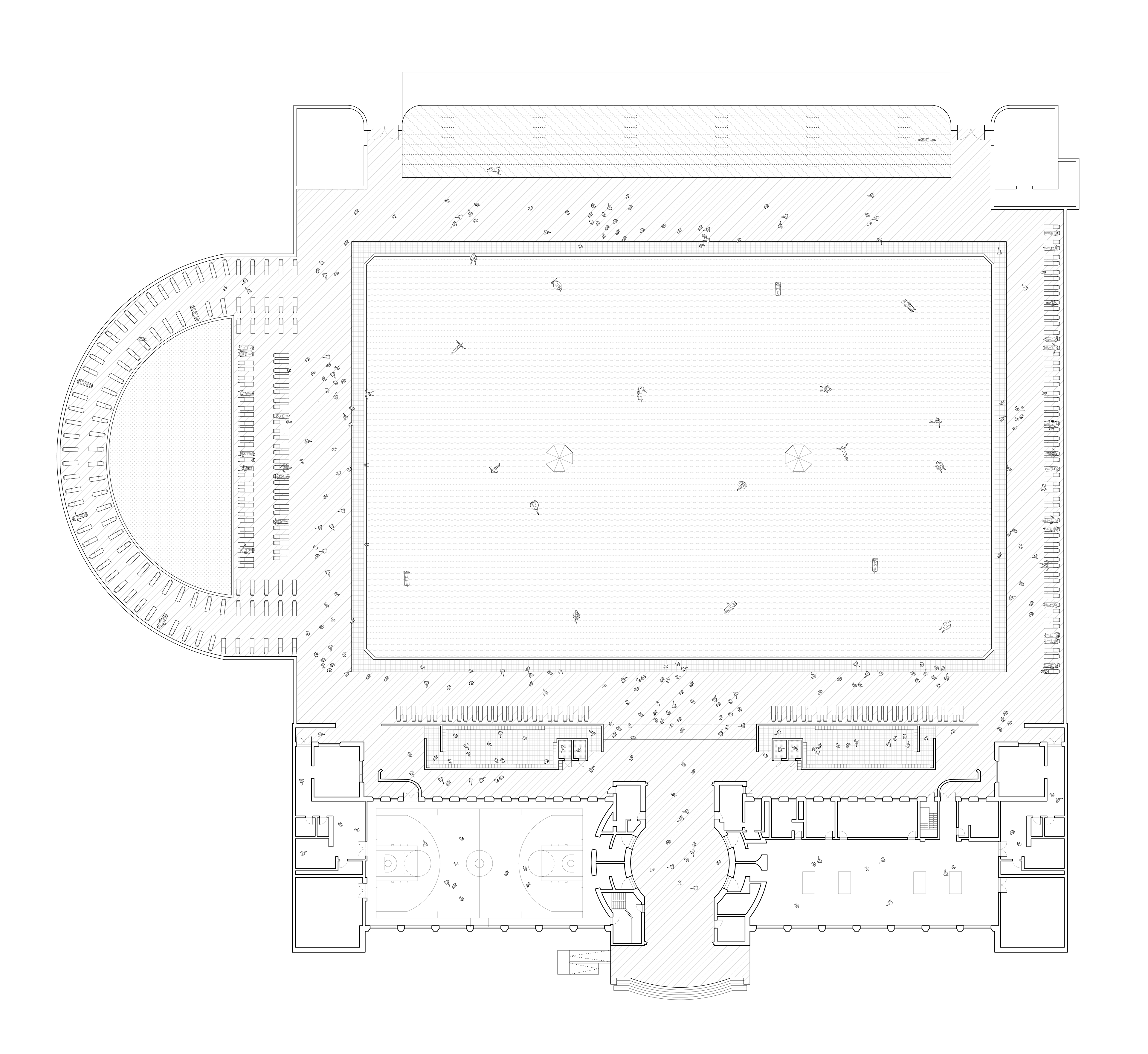
PLACE OF CORPOREAL EXPERIENCE -- SUNSET PARK POOL, AYMAR EMBURY II (1936) -- BROOKLYN, UNITED STATES
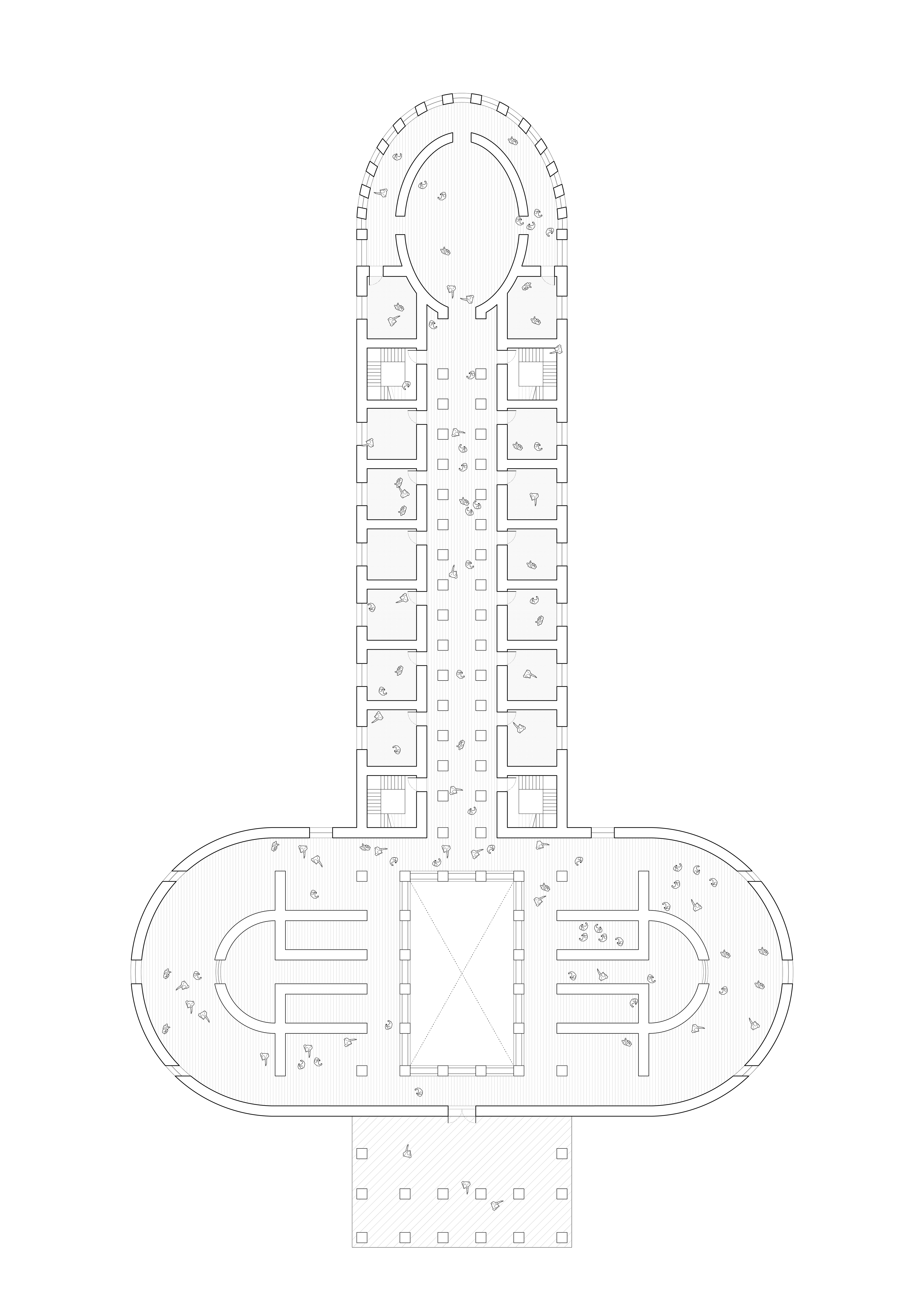
PLACE OF FORMALIZED INTIMACY -- HOUSE OF PLEASURES, CLAUDE NICOLAS LE DOUX (1780) -- CHAUX, FRANCE
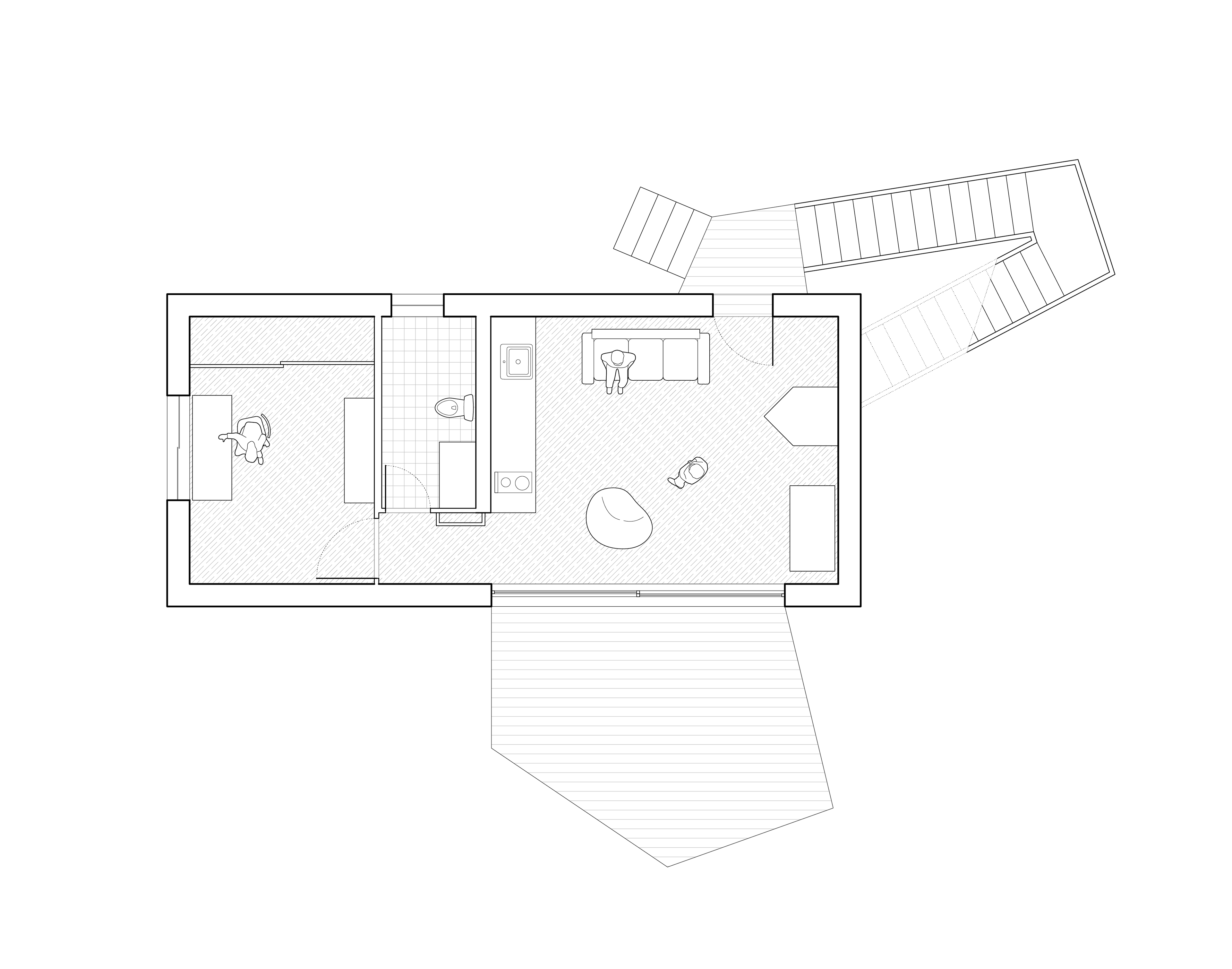
PLACE OF RETREAT -- LOVE SHACK, HUSOS ARCHITECTS (2021) -- MADRID, SPAIN
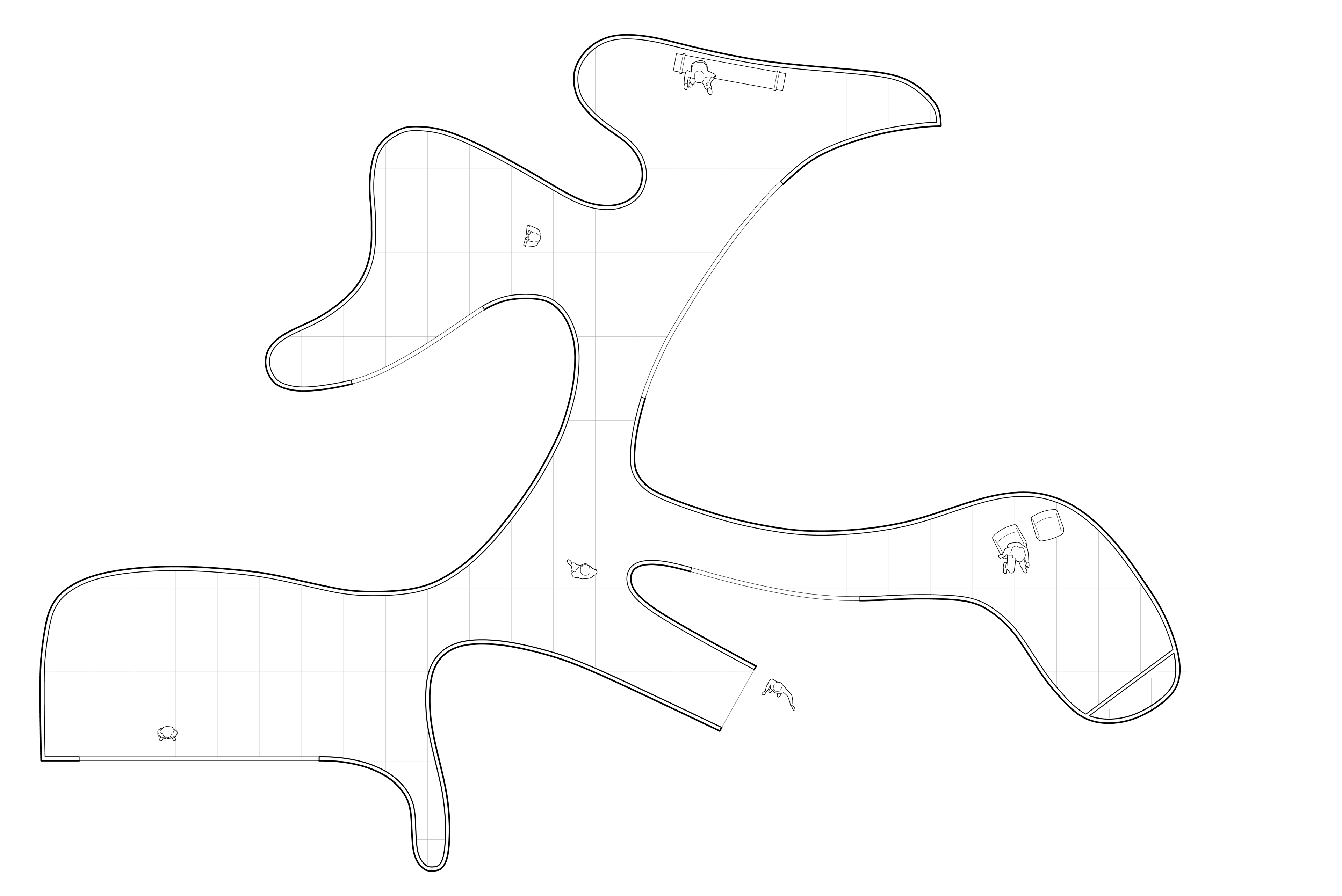
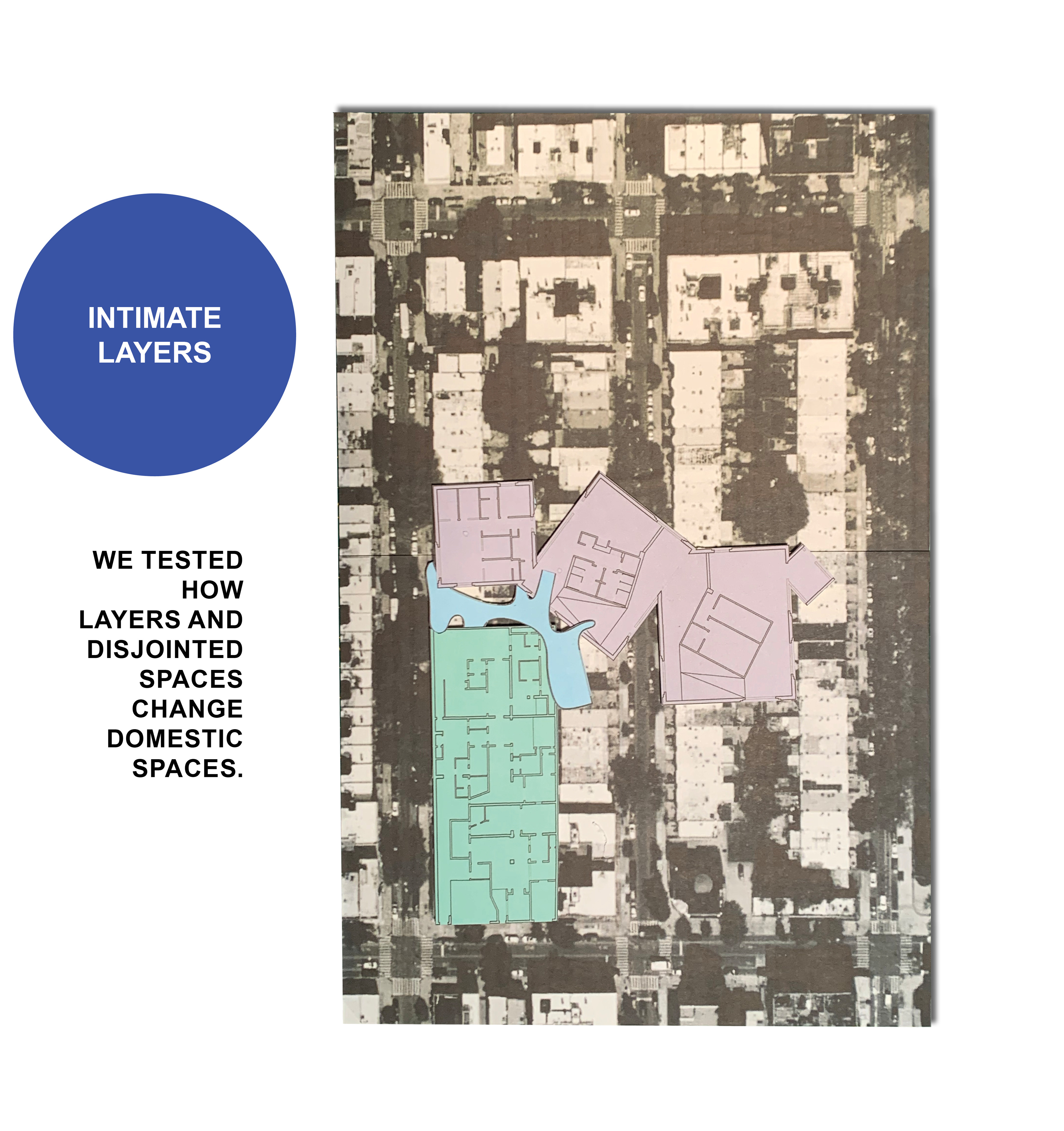
PLACE OF DISJOINTED SPACES (CURVY) -- TEMPORARY LAKE MUSEUM, ANNE HOLTROP (2010) -- HEEMSKERK, THE NETHERLANDS

PLACE OF HIDDEN INTIMACY -- ST ANNE'S COURT, CHRISTOPHER TUNNARD (1936) -- SURREY, ENGLAND
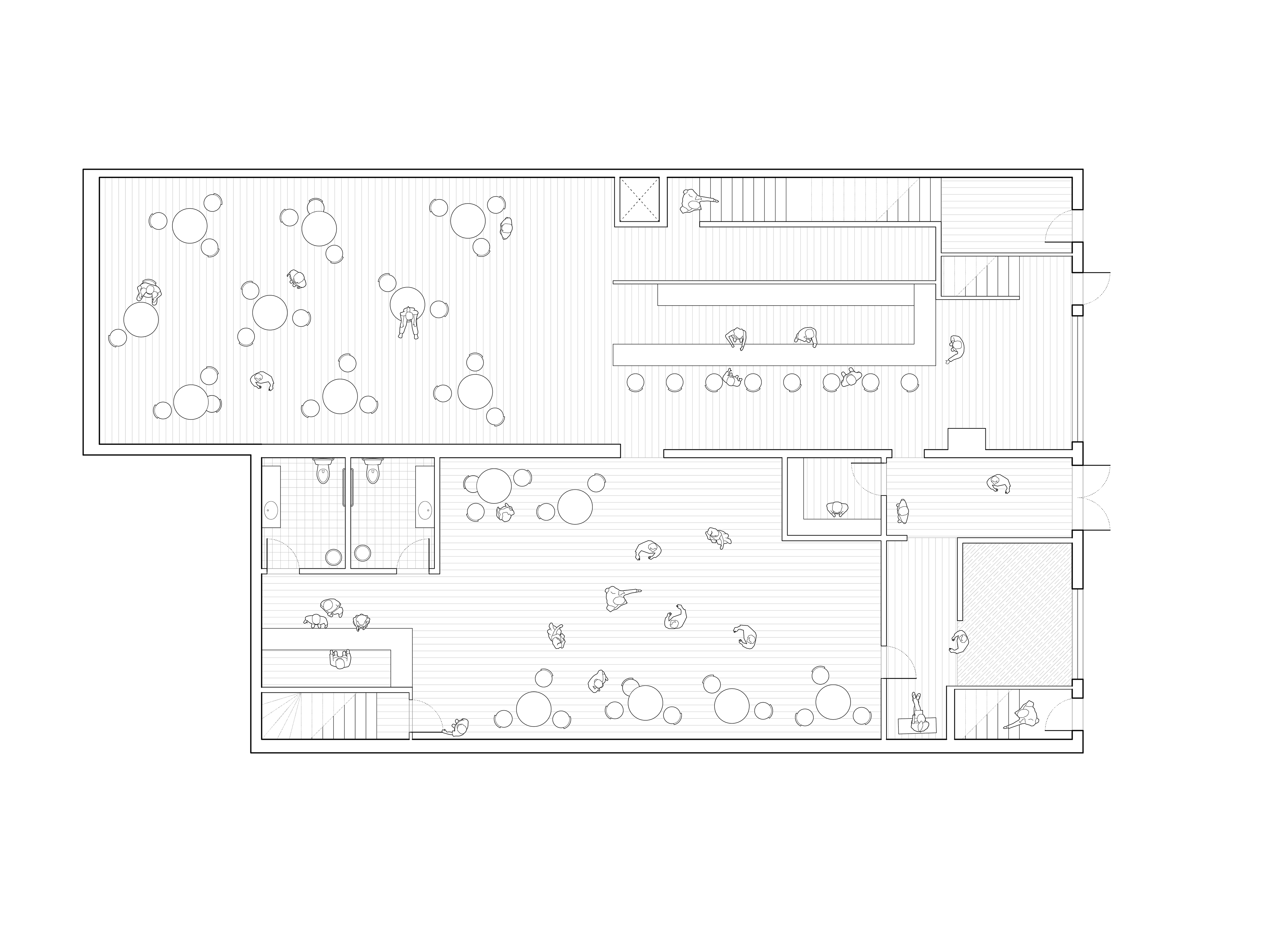
PLACE OF QUEER SYMBOL -- STONEWALL INN (1968) -- NEW YORK CITY, UNITED STATES
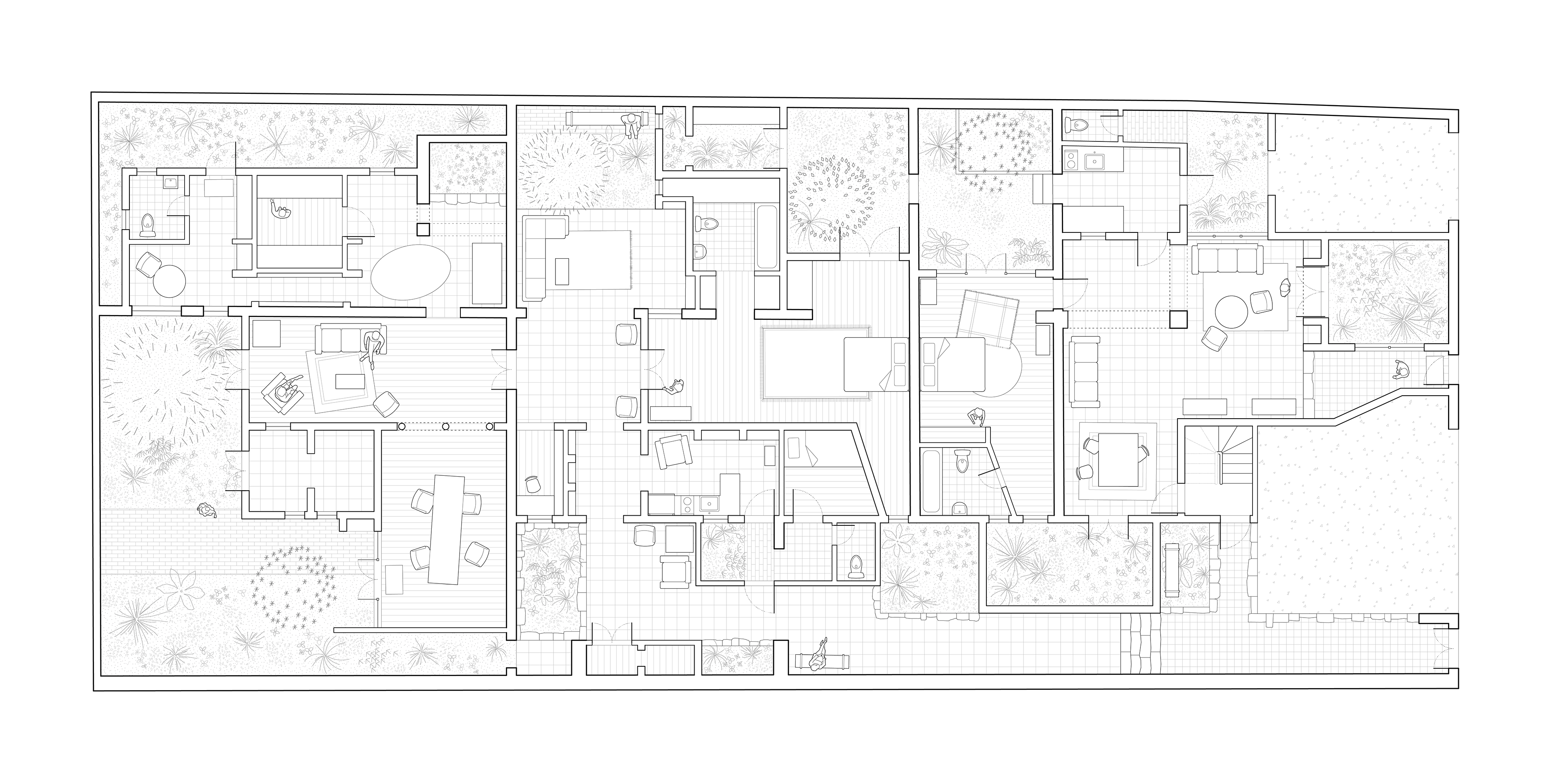
PLACE OF LAYERS -- 33RD LANE HOUSE, JEFFREY BAWA (1959) -- COLOMBO, SRI LANKA
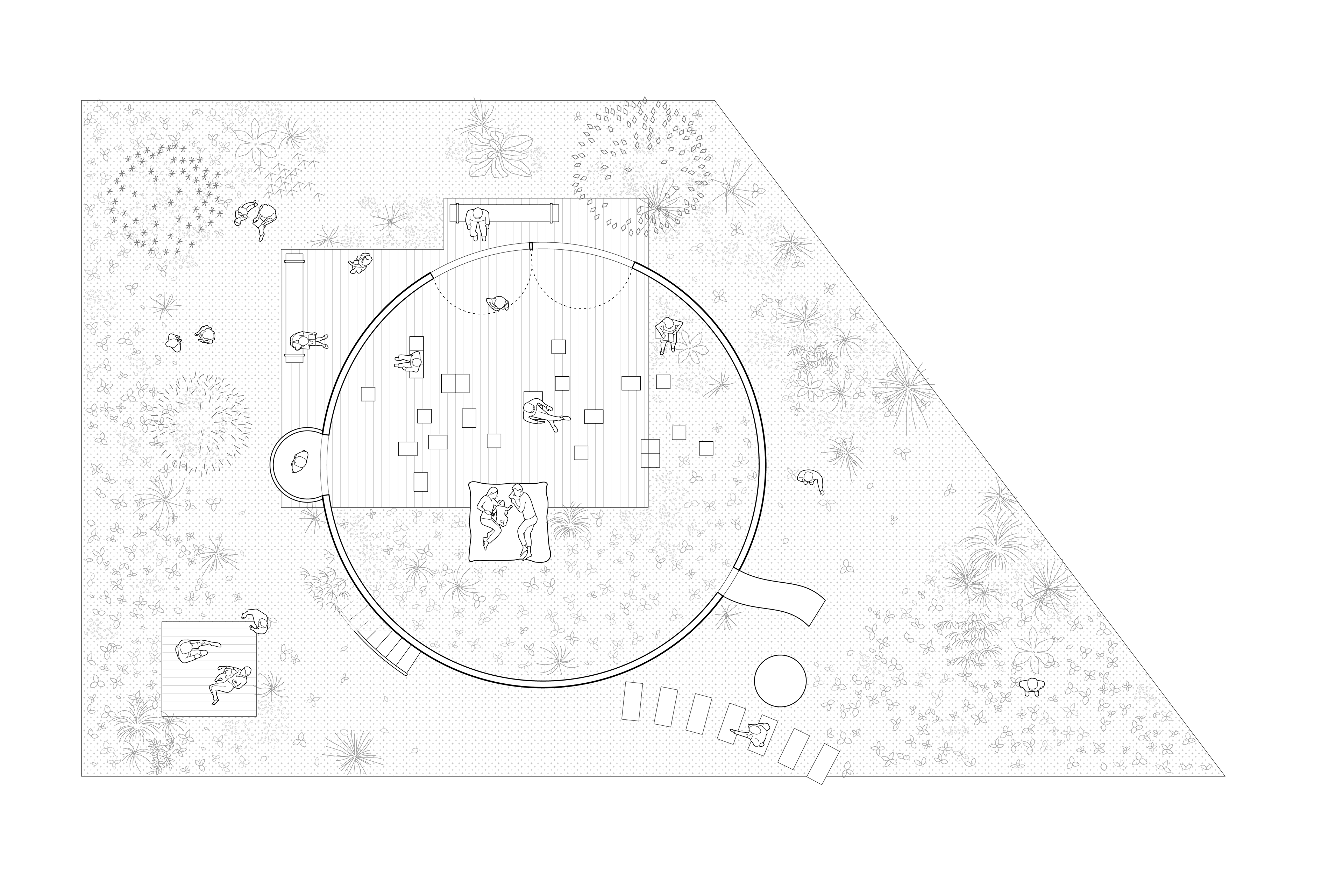
PLACE OF INTERSECTIONS -- TEMPORARY PAVILION FOR BARRAGAN'S NEIGHBOR, ANGELO RENNA + ANTONIO MINTO (2012) -- MEXICO CITY, MEXICO
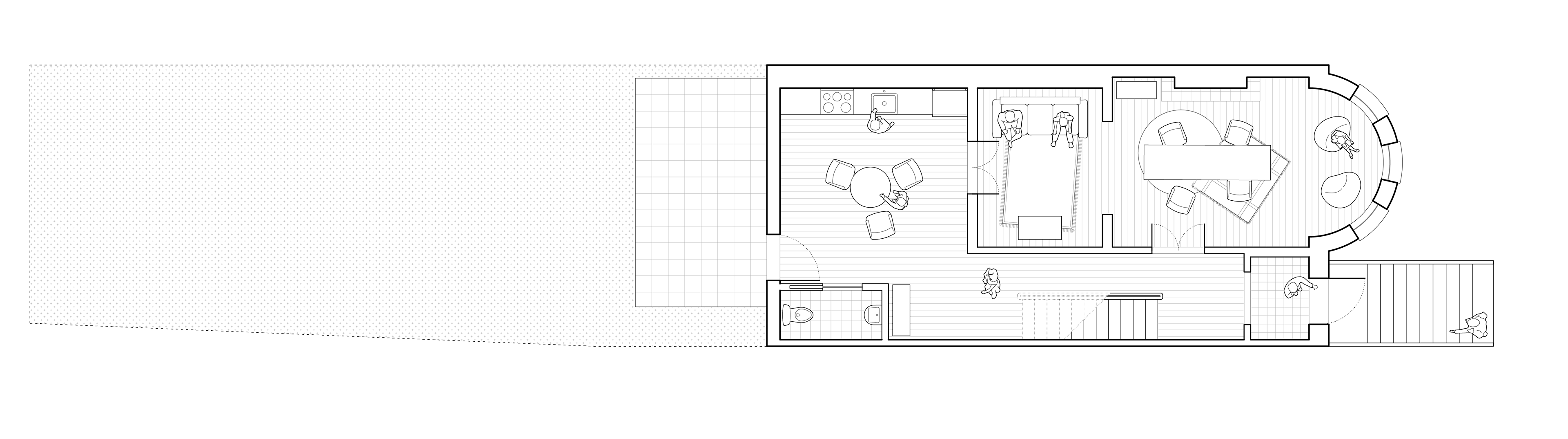
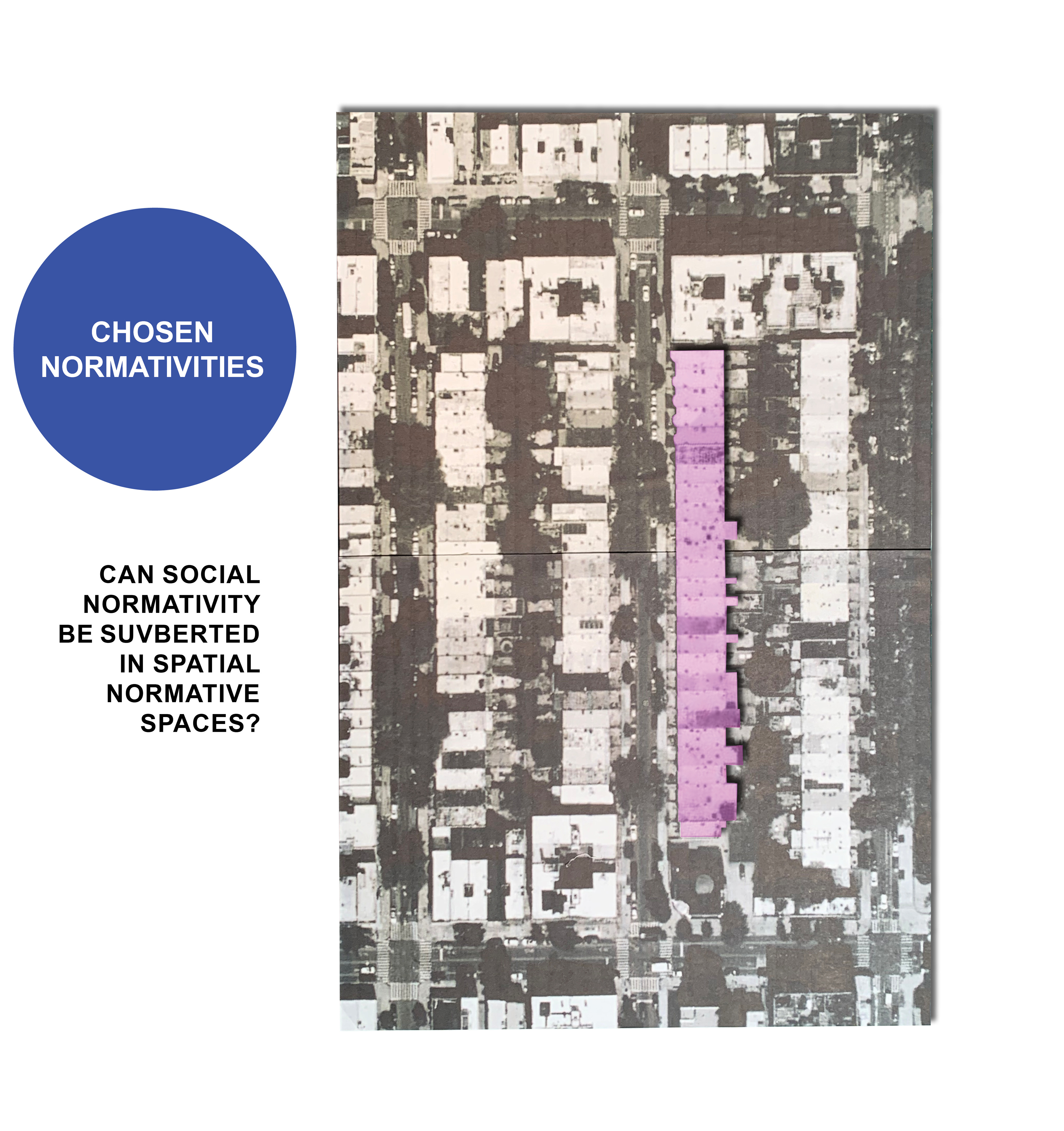
PLACE OF INSIDE/OUTSIDE -- GENERIC ROW HOUSE -- BROOKLYN, UNITED STATES
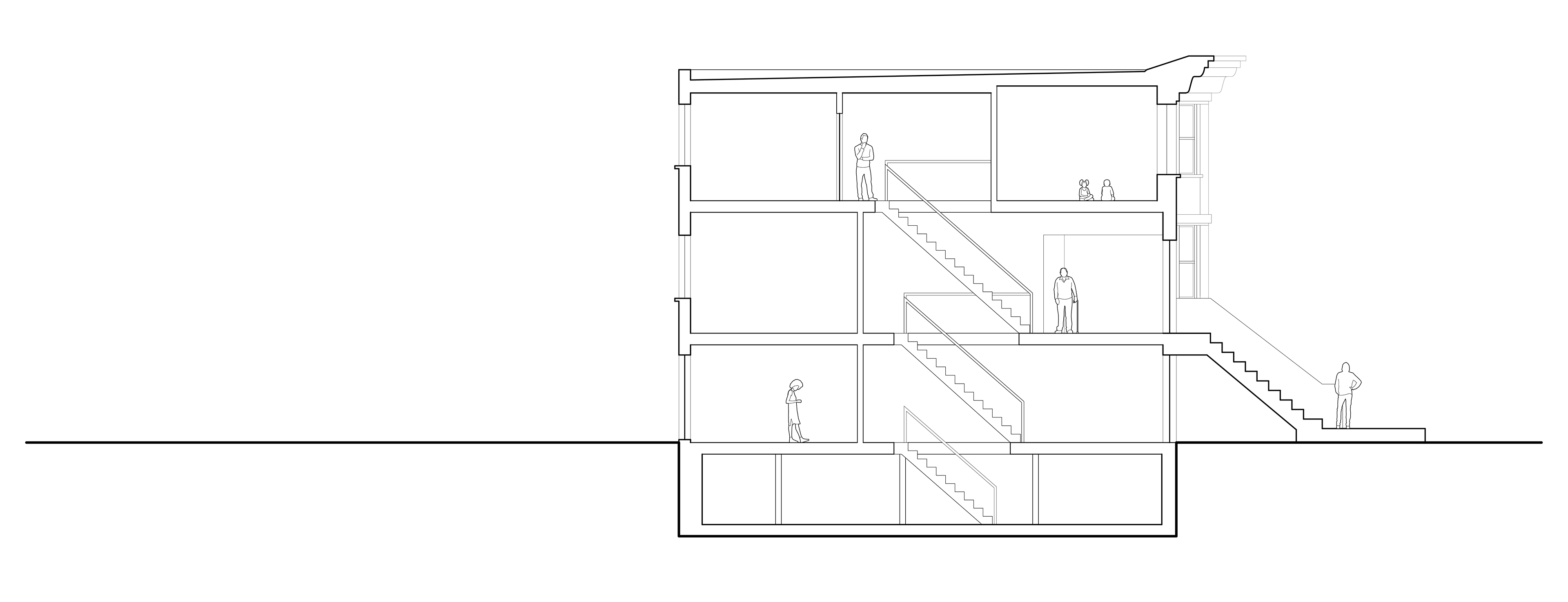
PLACE OF NORMATIVITY -- GENERIC ROW HOUSE -- BROOKLYN, UNITED STATES
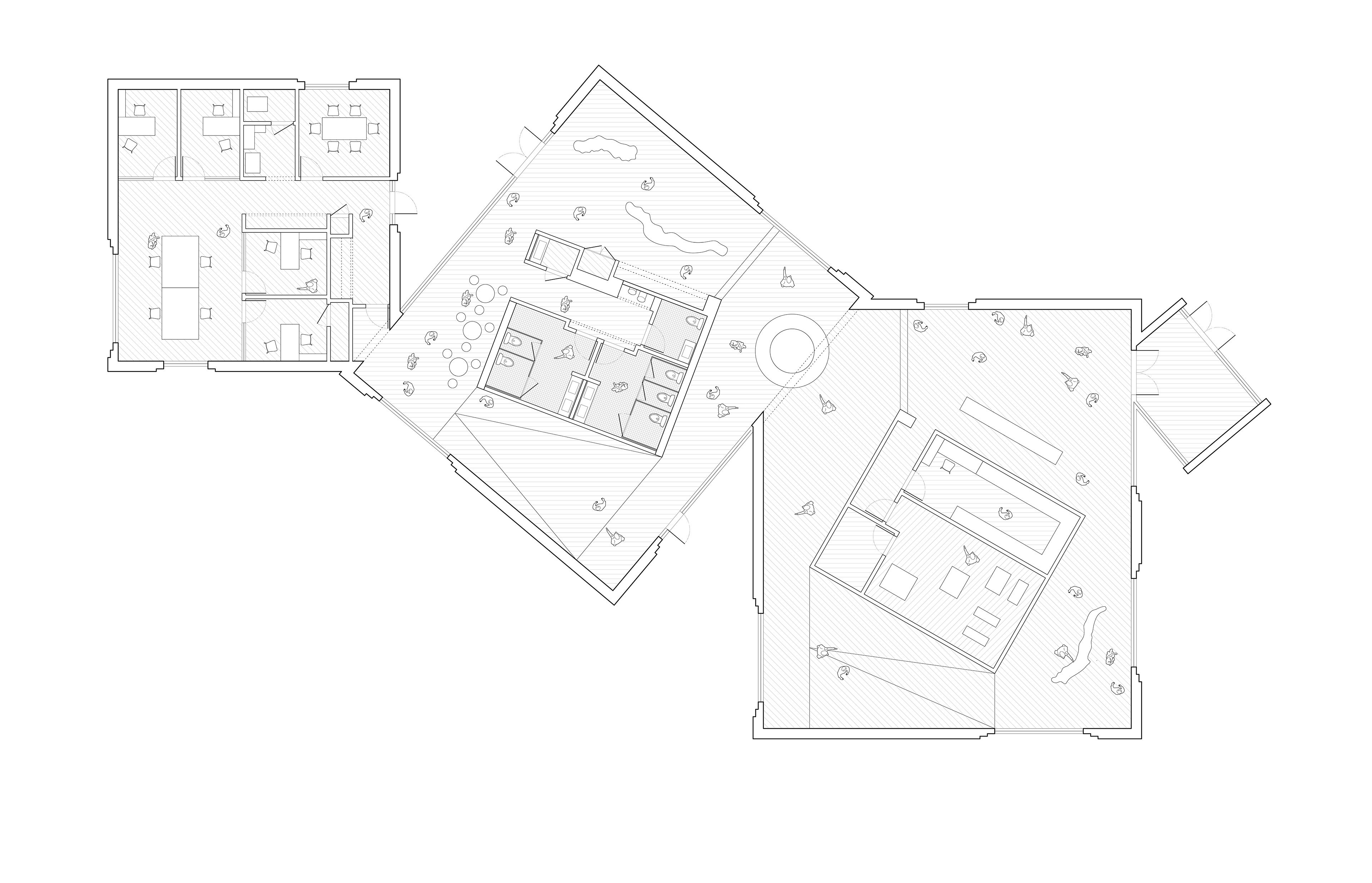
PLACE OF DISJOINTED SPACES (BOXY) -- NEW YORK EQUAL RIGHTS HERITAGE CENTER, NARCHITECTS (2019) -- AUBURN, UNITED STATES
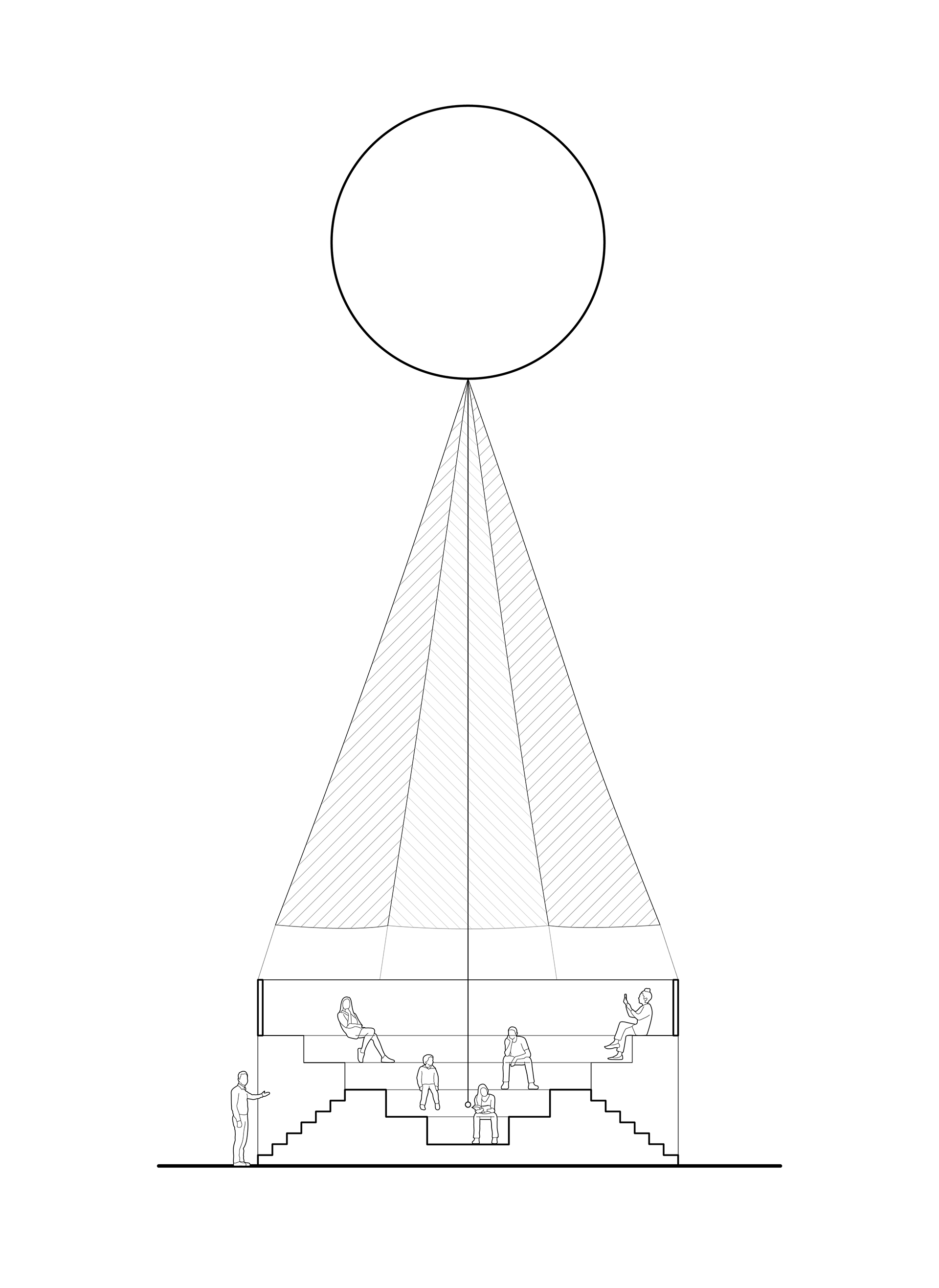
PLACE OF THEATER -- TEATRINO, SALOTTOBUONO (2018) -- MILAN, ITALY

PLACE OF FACADE -- OCI-CA'DARIO, MARIOVIC (2014) -- VENICE, ITALY
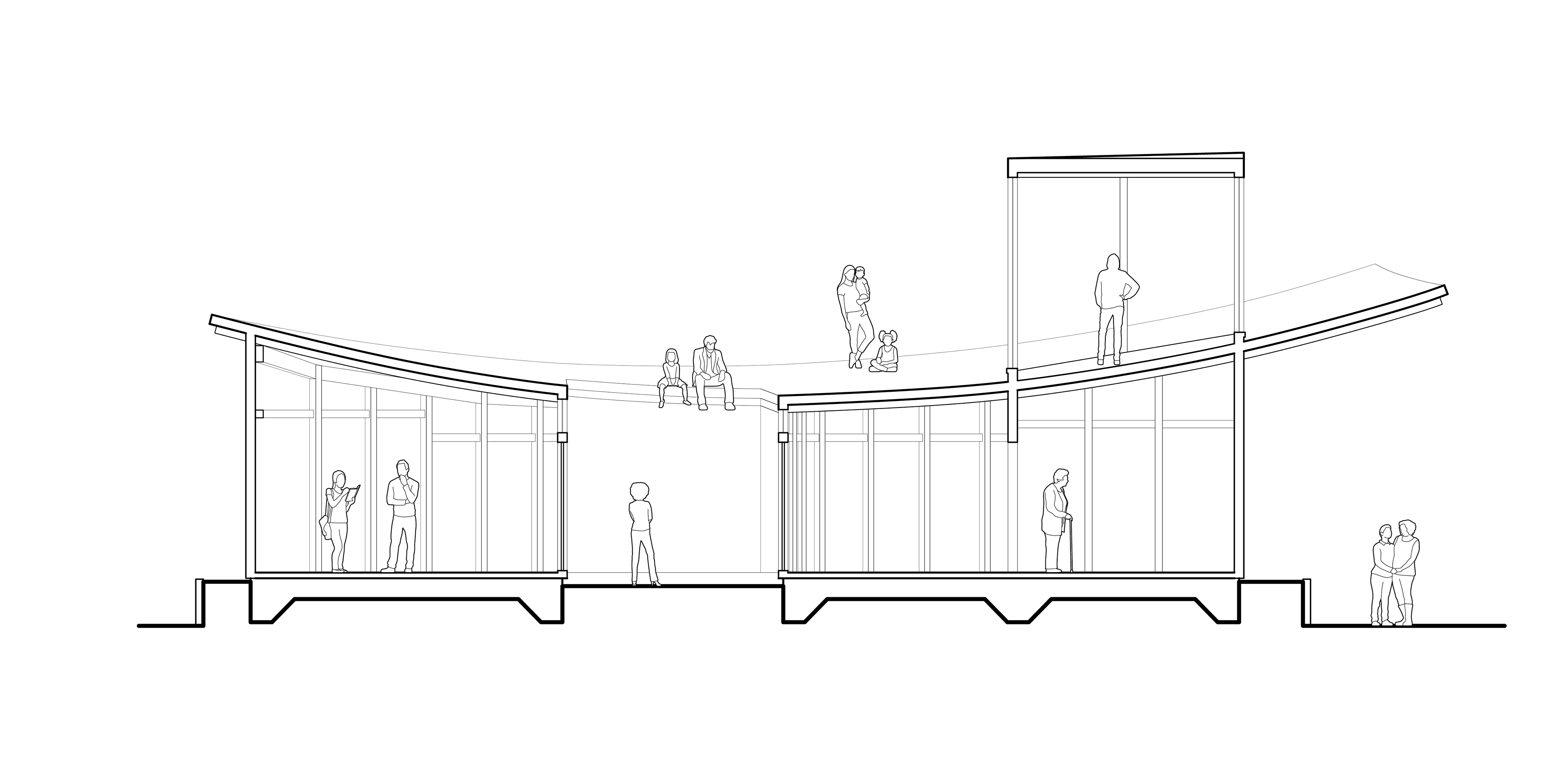
PLACE OF MISUSE -- SANNO OFFICE, STUDIO VELOCITY (2020) -- OKAZAKI, JAPAN
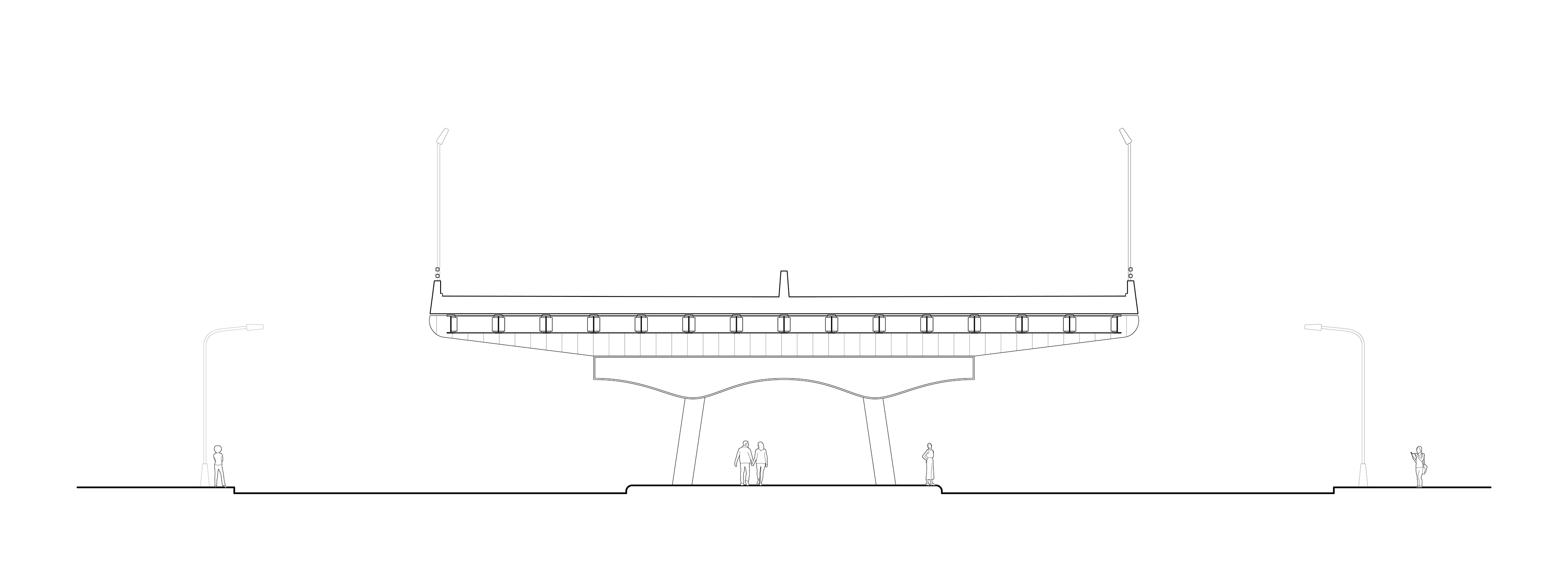
PLACE OF DIVISION -- GOWANUS EXPRESSWAY, NEW YORK DEPARTMENT OF TRANSPORTATION (1939) -- BROOKLYN, UNITED STATES